Social Behaviors of Horses: Understanding Herd Dynamics
Social behaviors of horses include communication, herd dynamics, and social bonding essential for their survival and well-being in natural environments.
Horse Articles

Social behaviors of horses include communication, herd dynamics, and social bonding essential for their survival and well-being in natural environments.

Digestive problems are among the most serious and frequent health concerns for horses. Their gut is sensitive, and even small changes can trigger illness.

Want to ensure your horse stays in peak condition? These 5 tech-driven tips provide early problem detection, balanced hydration, and real-time health tracking for smarter daily care.

Dive into comprehensive guides on horse health and training, packed with practical advice for owners and trainers. Improve your horse’s wellbeing with proven strategies and gain confidence in your care routine.

Keep your horse healthy and looking great with our essential grooming supplies. From pest control to coat shine, these must-have tools make grooming easy and effective. Perfect for all horse owners who want the best for their equine friends.

Learn how to spot early signs of colic, laminitis, and equine asthma in horses. This guide covers common health issues and what to watch for.

Ensure your horse’s health with our comprehensive guide to using ivermectin safely. We cover crucial advice on correct usage, dosage precision, and recognizing side effects for optimal horse care

Explore practical horse care tips including training equipment, dressage tack, grooming routines, and winter care. Understand how horses learn and how the right gear supports comfort and performance

How to get started as a horse trainer involves learning horse behavior, training techniques, and gaining hands-on experience to develop effective training skills.

From saddles to fly sheets, explore top tools and tips for training horses of all ages. Improve your skills with proven methods for older horses and senior care, ensuring your equine partner thrives.

Discover how horses age by teeth with this complete guide. Learn dental anatomy, eruption patterns, Galvayne’s Groove, wear angles, and age charts from foal to adult. Master equine age estimation relied on by vets and breeders for precise accuracy.

Equine Herpesvirus (EHV-1) poses serious risks to horses and foals. Understand the key symptoms, including fever, cough, and neurological signs, and learn prevention strategies to protect your herd. Timely medical intervention can save lives—get informed now!

Explore the vital role Ivermectin plays in maintaining your horse’s health. Learn about its safe usage, dosage guidelines, and essential tips for effective parasite control to ensure your equine friend stays in peak condition throughout the year

Are you prepared for the reality of horse ownership? Explore our extensive guide on annual expenses, including care options, feeding, veterinary costs, and more. Learn how to plan for the unexpected and ensure your horse’s well-being

Learn how to measure horses effectively with our step-by-step guide! From understanding hands and girth to estimating weight, achieve consistent results that will improve tack fit and overall horse health. Say goodbye to guessing with our expert tips

Navigating the world of horse buying can be daunting. This guide offers invaluable tips to help you find the right horse for your skill level and budget. Learn about key factors like temperament, training, and care needs to make an informed decision and enjoy every ride

Is your horse showing signs of dental distress? Explore the links between dental health and equine wellness. Our comprehensive guide covers common dental problems, maintenance tips, and how to keep your horse comfortable and thriving through proactive dental care. Prioritize your horse’s happiness

Every horse owner needs to know the 3 F’s: Forage, Feed, and Fitness! Uncover the vital components that ensure your horse thrives physically and emotionally. Dive into comprehensive horse care tips and improve your riding experience now
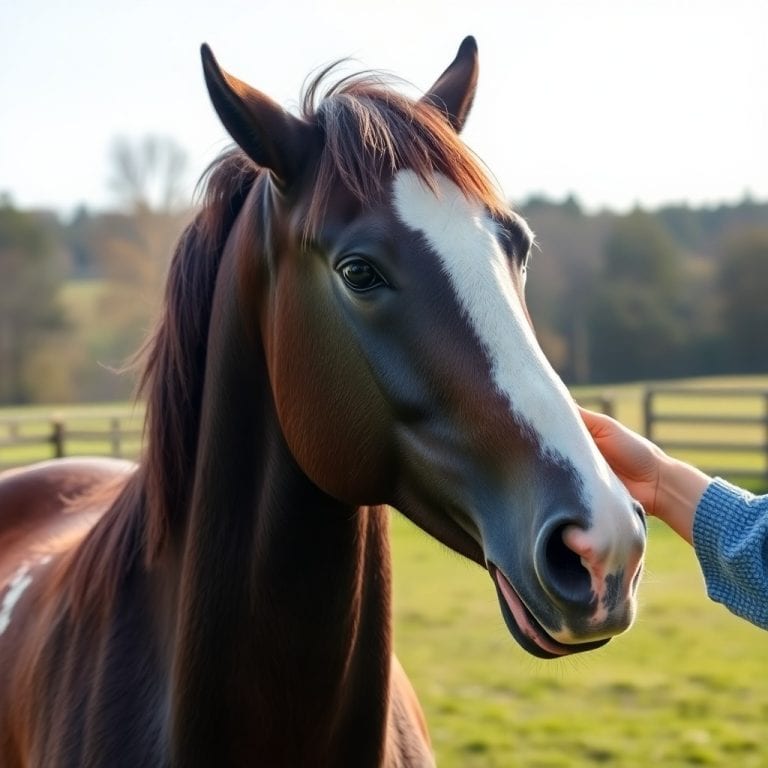
From gentle nuzzles to soft whinnies, learn how your horse shows affection and builds trust. Discover the emotional world of your equine friend with insightful signs and gestures that matter. Read on to enhance your connection and experience the joy of deepening your relationship with your horse

Discover the incredible 1/2/3 Rule in equine care! Ensure your foal stands within an hour, nurses within two, and that the placenta is passed in three hours. Equip yourself with this essential knowledge to safeguard both mare and foal during birth

Ever wondered what your horse is trying to say? This comprehensive guide reveals the hidden language of horse sounds—understand their emotions, strengthen your bond, and improve your horse care skills today
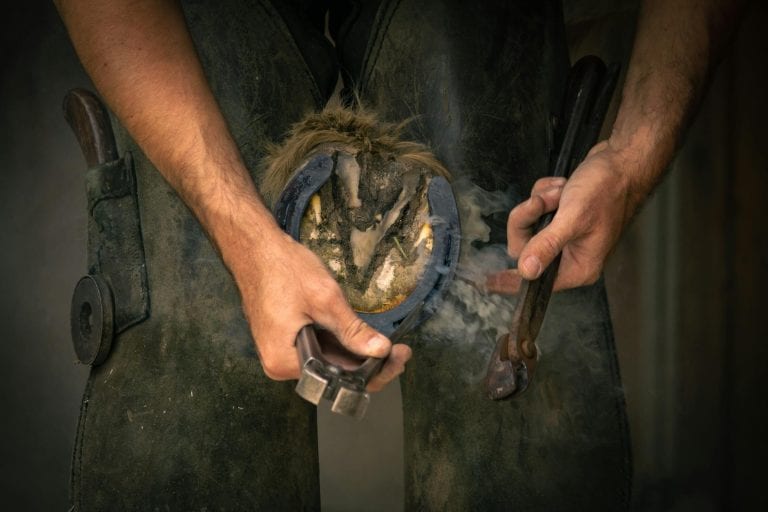
Are you unknowingly harming your horse during grooming? Discover the essential grooming mistakes that could lead to skin problems and trust issues. Equip yourself with the right knowledge to ensure your horse remains healthy and happy throughout every grooming session
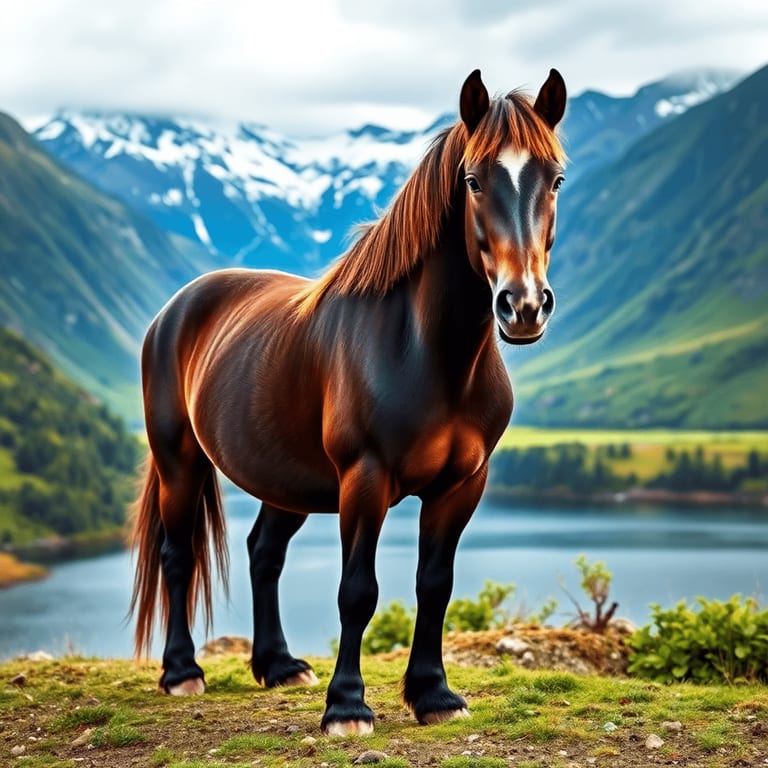
Meet the stunning Nordland Horse! From their remarkable adaptability to the challenges of Norway’s rugged terrain to their unique temperament, discover why these magnificent horses are cherished by equestrians worldwide. Join us in unearthing their fascinating journey from near extinction to modern admiration

Learn how to recognize and quickly address skin issues in your horse with this comprehensive guide. From rain rot to hives, uncover effective treatments and preventative measures to keep your equine friend healthy and happy. Read on for vital horse care advice

Dive deep into the world of Irish Draught Horses and explore their rich history, unique physical traits, and calm temperament. This comprehensive guide will help you understand their care needs and discover why they’re one of the most beloved horse breeds around the globe

Are you ready to meet the gentle giants of the equine world? Dutch Draft Horses are not only strong but also versatile companions. Learn about their history, temperament, and essential care tips that will make you fall in love with this extraordinary breed!

Uncover the surprising costs involved in showing a horse across different regions. Explore our complete guide to budget planning for equestrian competitions, and avoid unexpected fees to maximize your showing success

Explore the captivating stories behind the world’s most endangered horse breeds. From the metallic gleam of the Akhal-Teke to the spotted charm of Knabstrupper, discover how these rare horses influence culture and biodiversity. Join us in preserving their legacy for future generations

Discover the top horse riding clothing essentials that will keep you safe and stylish in the saddle! From helmets to boots, we’ve got the insider info to help you choose the best gear and enhance your riding performance. Read on for expert advice!
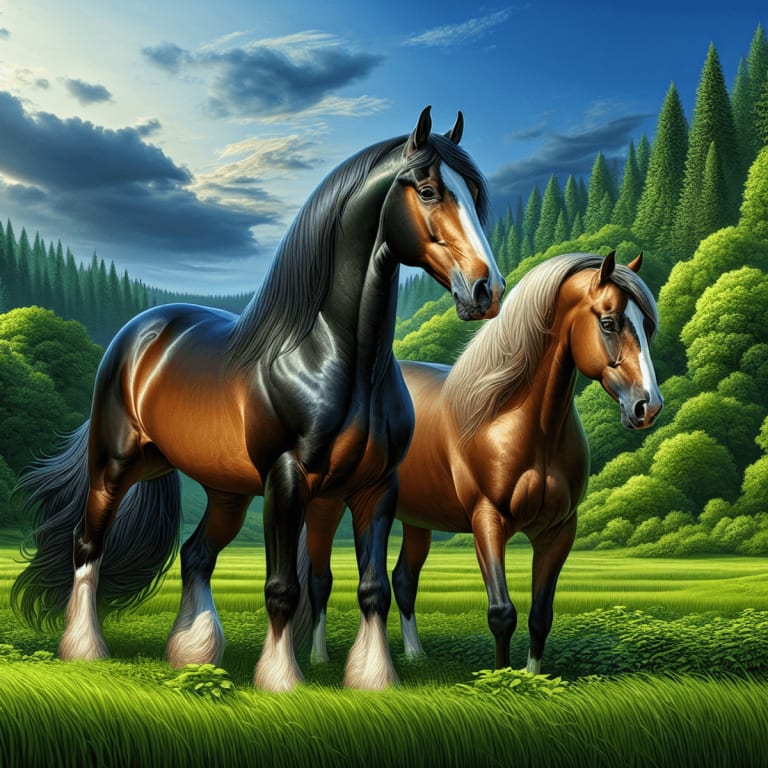
Horse breeding techniques include pasture mating, hand mating, and artificial insemination (AI). Each method has its own advantages and disadvantages, with AI providing a detailed technique that allows for greater control over the breeding process.
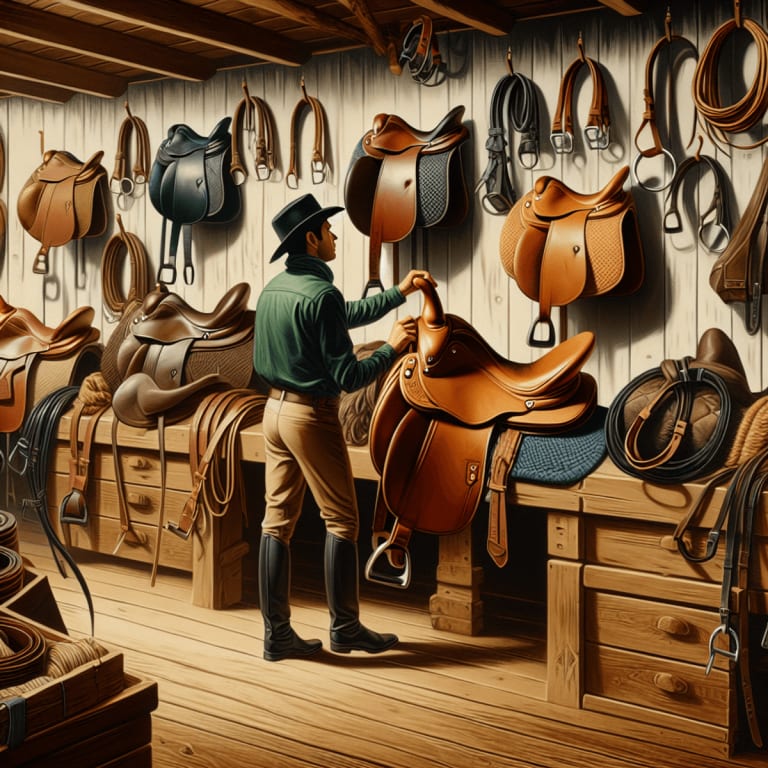
Different riding styles, such as dressage, hunter, and jumper, require specific types of tack. For example, dressage emphasizes minimalistic tack for better communication with the horse, while jumpers may need specialized saddles and pads for optimal performance.
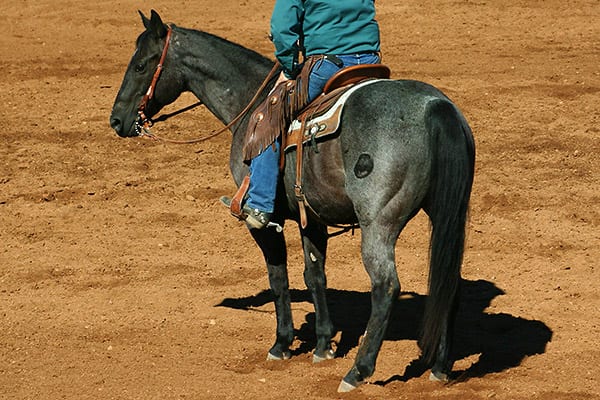
The combined weight of the rider and gear and proper saddle fitting are crucial for maintaining the horse’s comfort and performance.

Horses come in many different breeds, each with its own unique characteristics. They have a great memory and can remember people and places for years.

Understanding breed differences is essential for selecting a horse that matches an individual’s riding goals, lifestyle, and experience level. It also contributes to responsible breeding practices and promotes preserving diverse equine heritage.

Horse tack refers to all the equipment and gear used to handle and ride a horse, including saddles, bridles, reins, and other accessories.
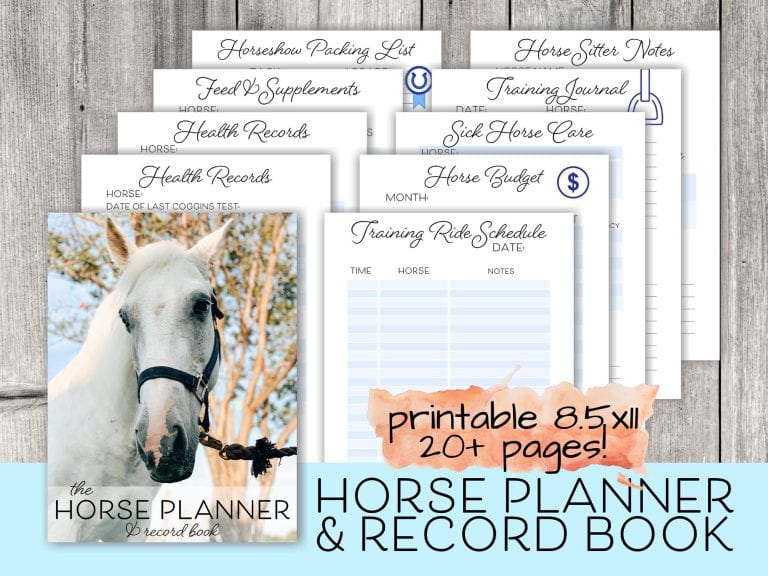
Establishing a daily routine helps maintain the horse’s physical and mental well-being, ensures consistent nutrition and exercise, and allows early detection of any health issues.

Understanding horse behavior is crucial in identifying the root cause of disrespectful behaviors. It allows you to approach the issue with empathy and knowledge, leading to more effective solutions and a deeper connection with your horse.
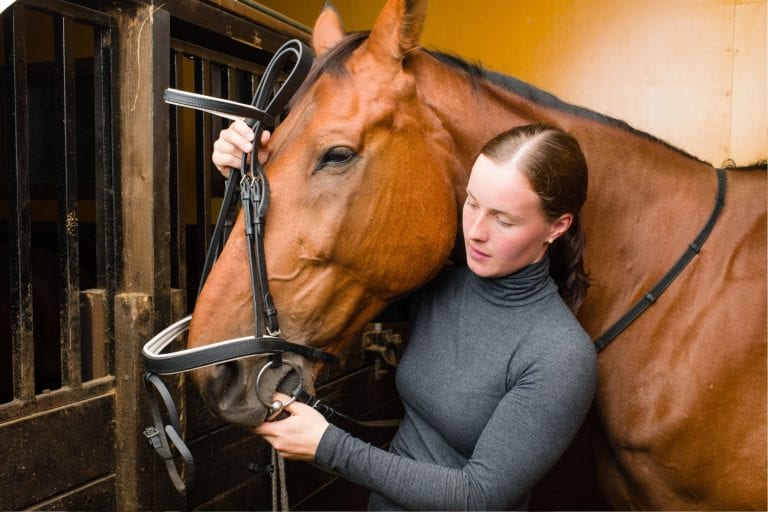
Fostering companionship involves providing opportunities for social interaction with other horses and human bonding through grooming, handling, and riding. This contributes to a horse’s emotional health and reduces feelings of isolation.
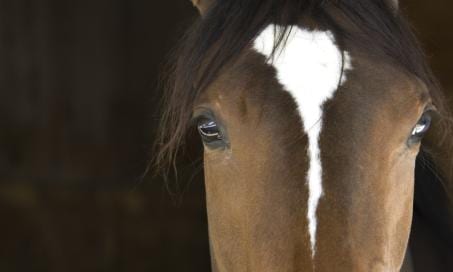
The aging process in horses is characterized by various physical and behavioral changes encompassing various health-related indicators, alterations in grooming needs, and shifts in behavioral patterns.
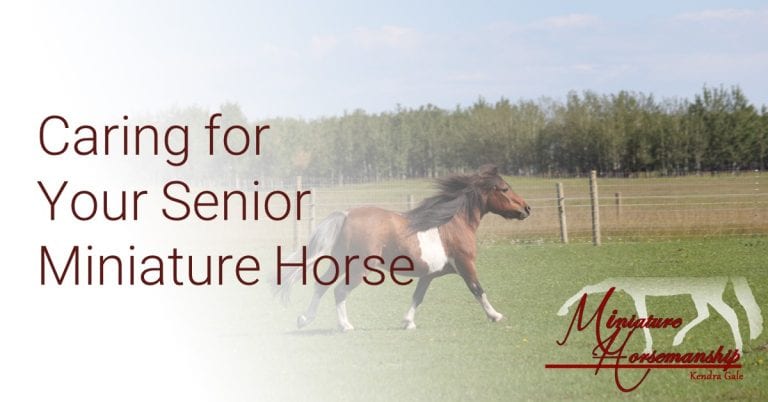
Miniature horses are incredibly adorable and can make great pets for children. They can also be trained as emotional support animals or service animals. They are calm in stressful situations and can learn quickly.

Discover an effective and comprehensive 30 day horse training schedule to achieve optimal results. Set realistic expectations and learn key principles for success

Learn the essential qualities of a responsible horse owner. Discover how to properly care for and manage your horse with our comprehensive guide.

It is recommended to provide regular exercise for your older horse throughout the winter season. Aim for at least 30 minutes of gentle exercise daily to maintain muscle tone and joint flexibility.

Training your horse is possible but requires knowledge, experience, patience, and consistency.
It can be beneficial to seek guidance from experienced trainers or professionals who can provide proper techniques and advice tailored to your goals and your horse’s needs.
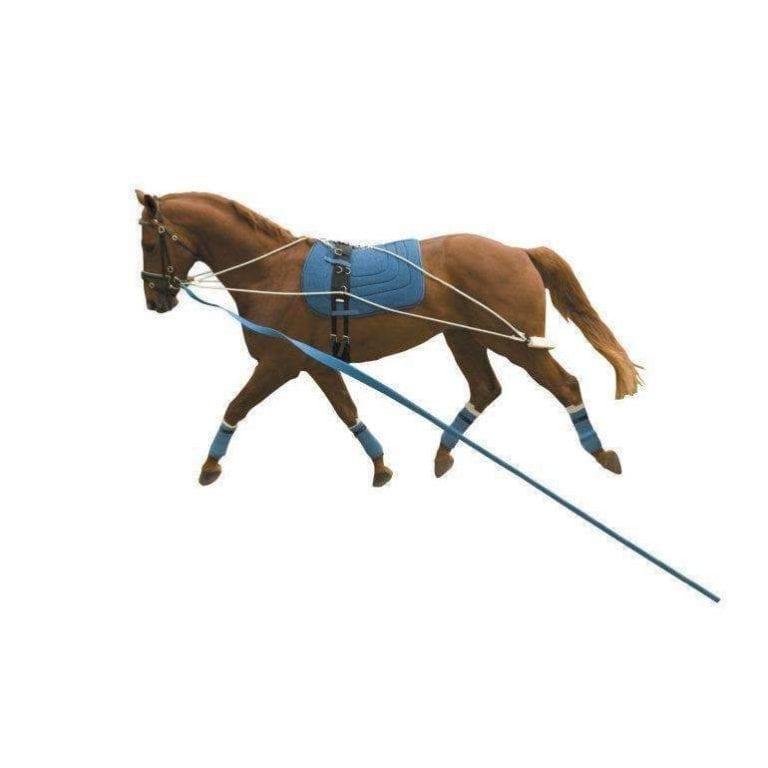
Horse training requires specialized equipment designed specifically for equine anatomy and biomechanics. Using improper or ill-fitting equipment can lead to discomfort, injury, or behavioral issues in horses
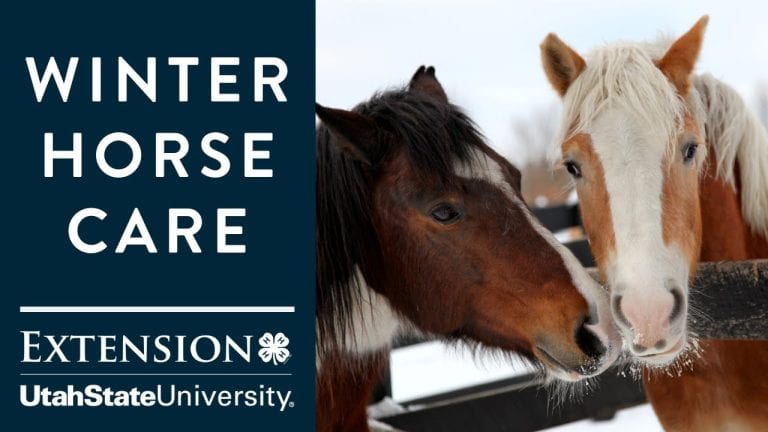
It would be best to regularly inspect your horse’s hay to ensure they have enough to eat. If they’re turned out and not in a stable, you should increase their ration as temperatures drop and they burn extra calories to stay warm inside.
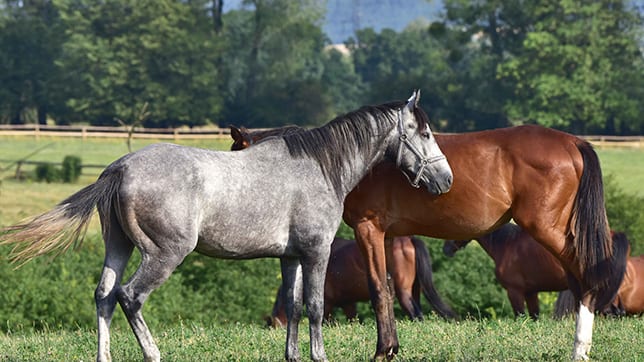
Horses do sleep at night, but not in the same way as humans. They go through cycles of drowsiness, light sleep, and occasional deep sleep. Deep sleep typically occurs in short bursts; horses need to lie down to achieve this.
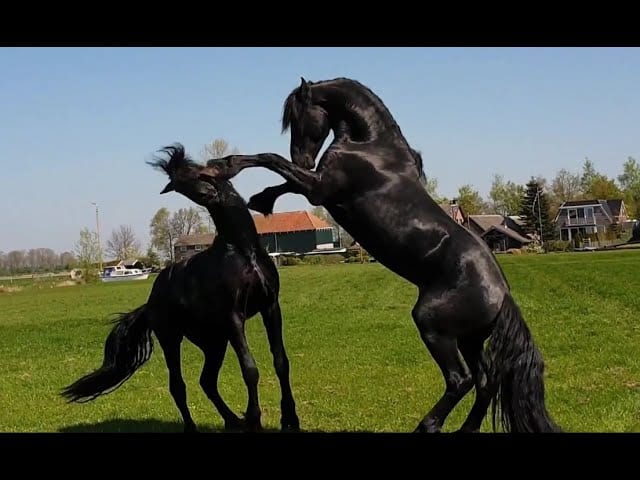
Horses have distinct personalities and temperaments. Some tend to be social and friendly, while others can be distant or stubborn. Therefore, finding a horse that complements your lifestyle and personality is essential.

Discover fascinating facts about horses with our fun guide. Learn something new and exciting about these majestic animals.
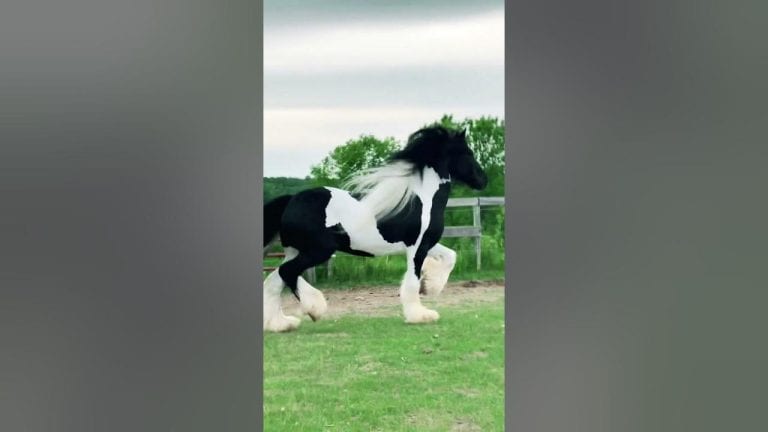
Cob horses require regular grooming, a balanced diet, and consistent exercise to maintain their health and performance. Their historical significance and ongoing popularity attest to their valuable contributions to work and leisure contexts.
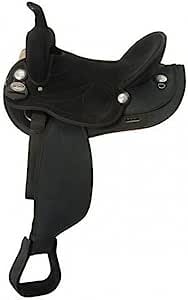
In this review, I will provide an in-depth look at the King Series Eclipse, from its construction to its comfort and performance. I will also compare this saddle to other competitive models on the market, so you can make an informed decision about which saddle is best for you.
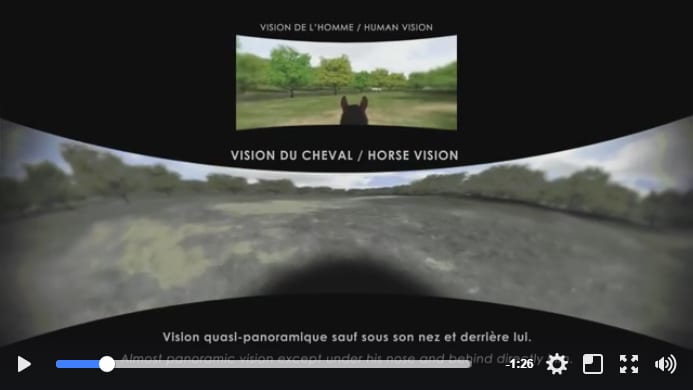
By understanding the anatomy of horse vision, their field of view, color perception, night vision, and sensitivity to motion, horse owners and handlers can create safer and more effective management and training practices.
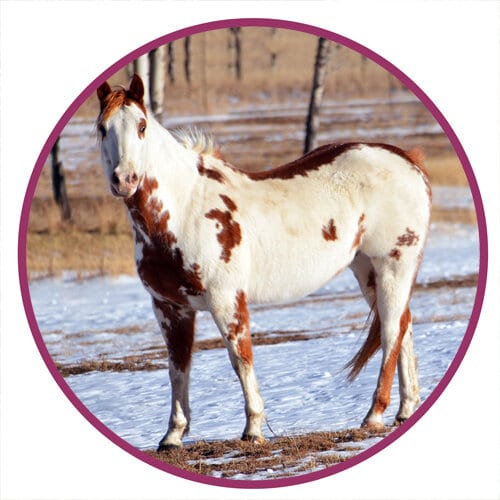
The American Paint Horse is an incredibly versatile breed, capable of performing various equestrian activities. They’re often used in Western and English riding, dressage, show jumping, and stock. Due to their incredible athleticism and agility, they make excellent eventers or hunters/jumpers.
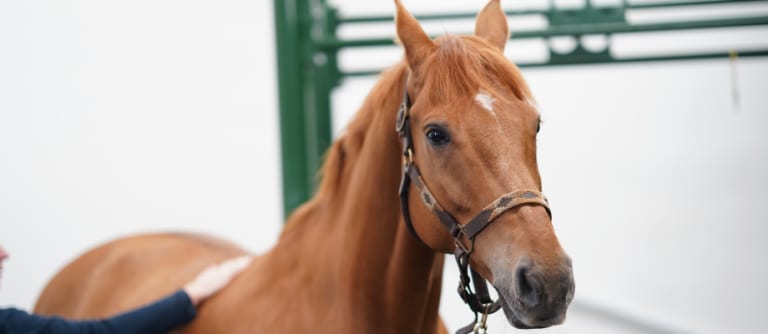
Colic in horses can be caused by several parasites, including small strongyles that burrow into the gut lining and release secretory material that irritates the digestive tract. In severe cases, these parasites may even cut off all blood supply to the entire gastrointestinal tract.
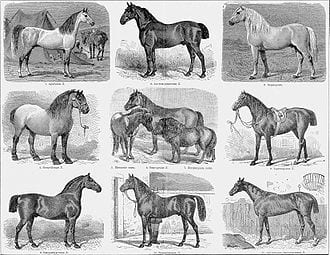
Popular Horse Breeds Key Points Horse breeds have a rich history deeply intertwined with human civilization. Understanding the diverse breeds and their unique characteristics is essential for horse enthusiasts. Whether you’re a seasoned equestrian or a newcomer to the world of horses, this article offers valuable insights into the wide array of breeds, enabling you…
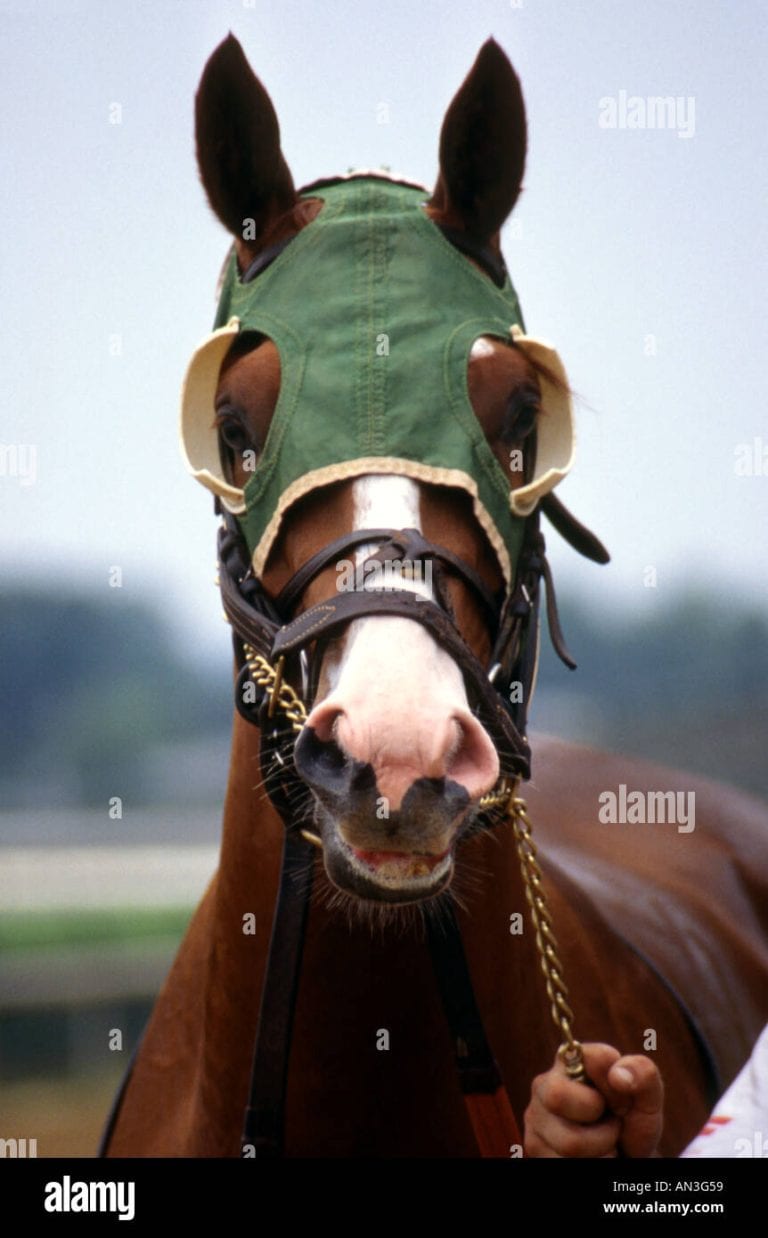
Blinkers can be an effective tool to keep a horse calm and focused while loading into a trailer or going through the starting gate. Though not recommended for everyday use, blinkers can provide comfort during stressful situations that might otherwise lead to mistakes.
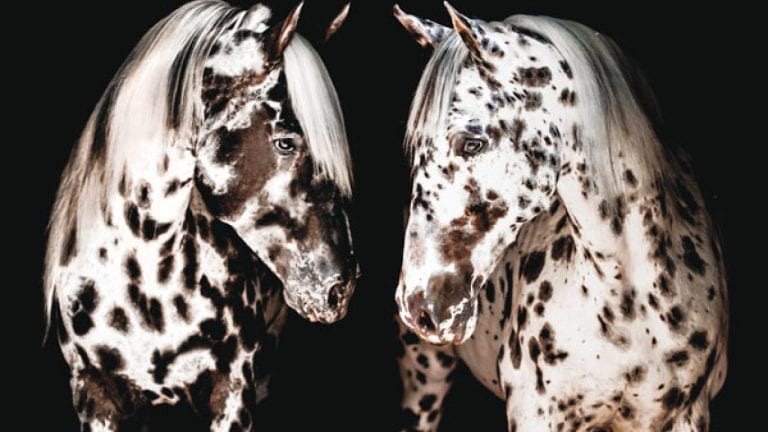
Appaloosa horses are bred for hardiness and strength, making them ideal for western riding. Not only that, but they’re also highly experienced in working with livestock as well as eventing, show jumping, and fox hunting.

A horse trailer is essential for horse shows and vet visits. A new trailer might be out of budget, but have you considered buying used?
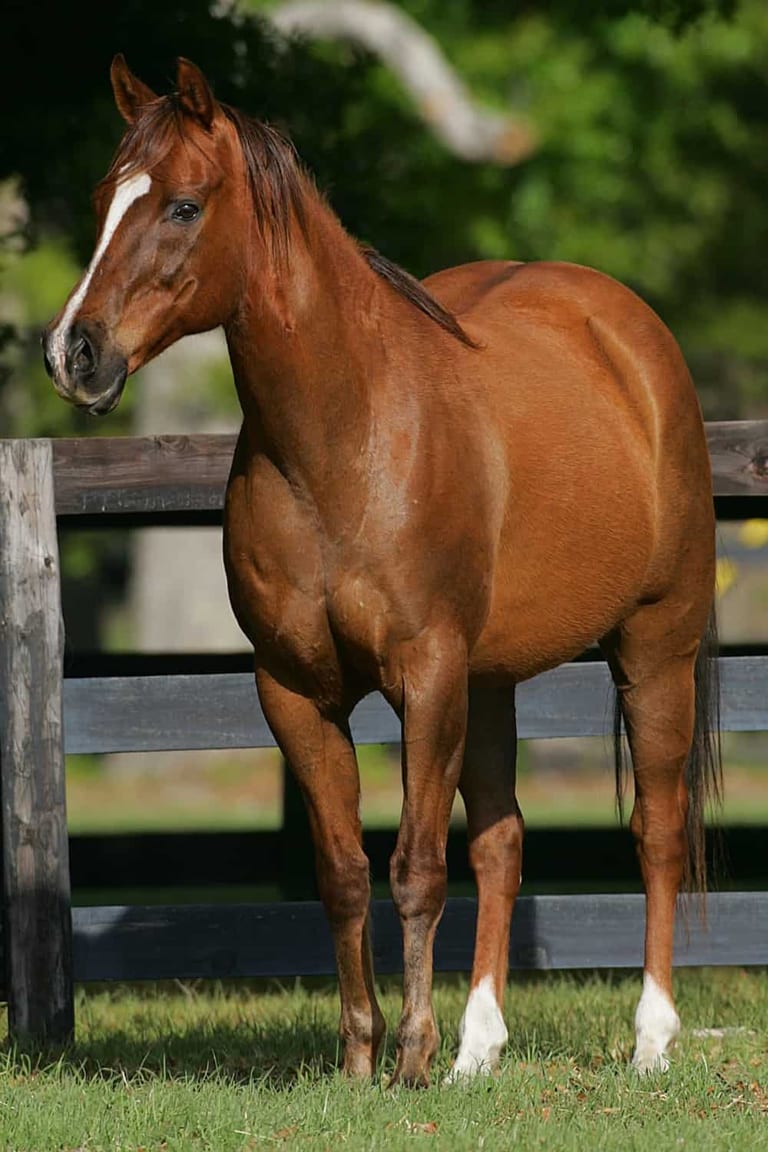
The American Quarter Horse is one of the oldest and most popular horse breeds in the United States. It is used in a wide range of competitive events, including halter classes, western-style riding events such as Western Pleasure and Reining, English riding events in the hunt seat style, and horsemanship and equitation.
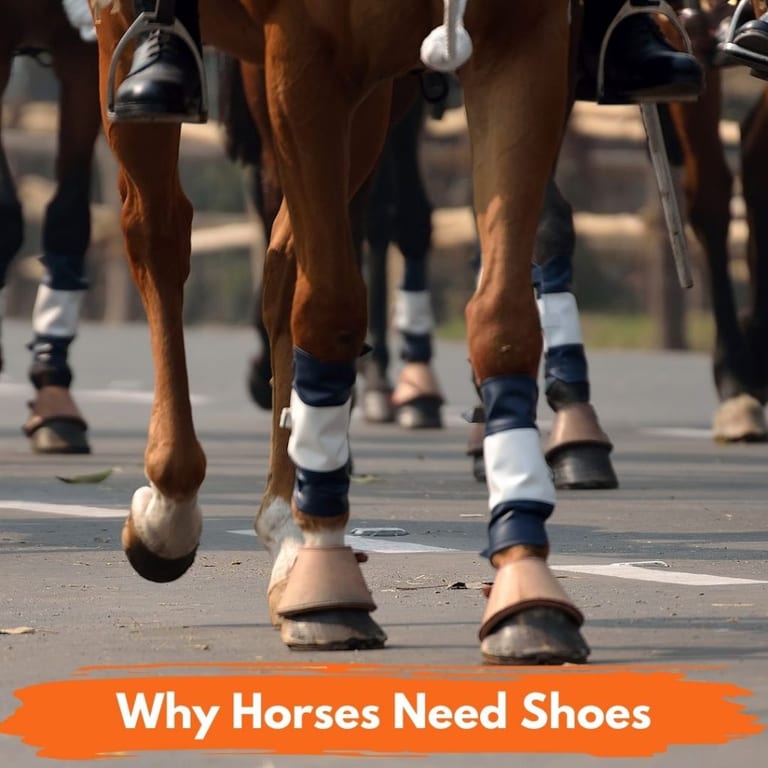
When determining whether a horse needs shoes, several factors, such as their environment and activity level, come into play. For instance, one that is frequently ridden will wear its hooves out faster than a horse that rarely gets to move its feet.
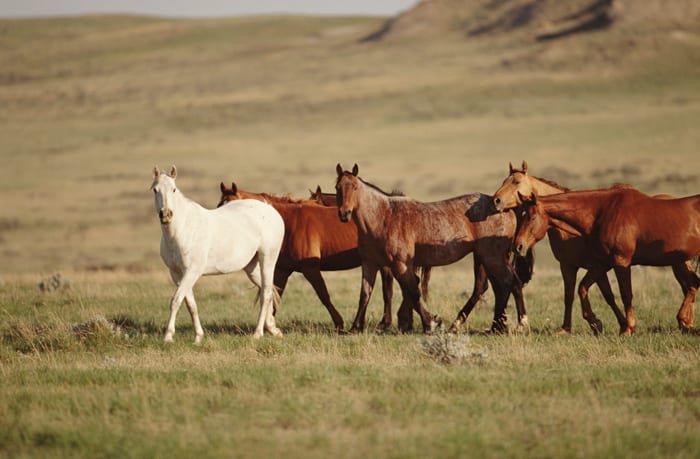
In North America, horses are typically considered large and domesticated animals used by Native Americans for various purposes. However, it turns out that before the Spanish conquistadors brought horses to North America, they were native to the continent.
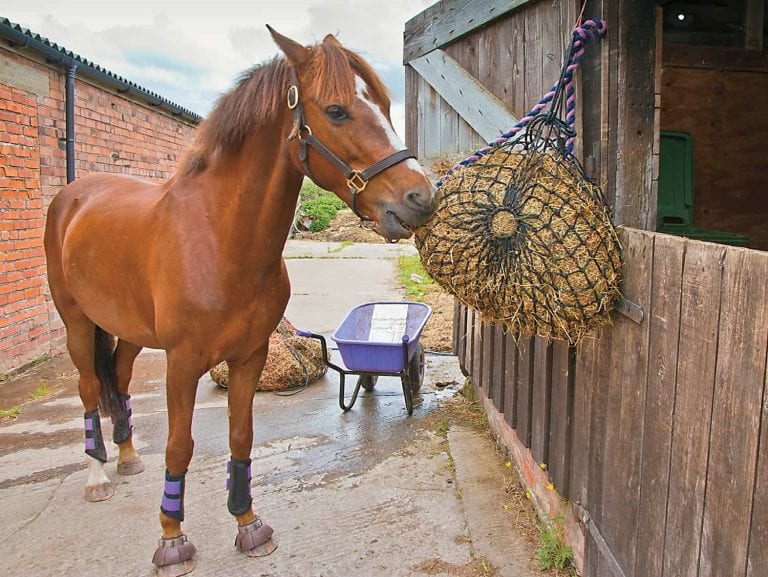
Fruits are integral to any horse’s diet, providing essential vitamins, minerals, and antioxidants not found in hay or other equine feed. Not only do they hydrate your horse’s system to prevent bloating, but they can also improve his blood sugar and insulin response. Fruits will keep them happy!
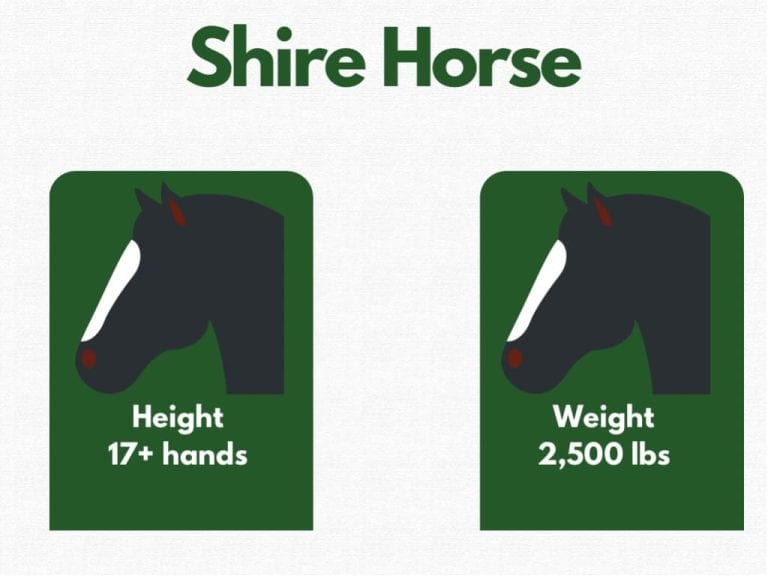
Like other draft horses, the Shire is prone to weight issues. If your shire is overweight, monitoring their weight and reducing their daily feed intake is essential. If you notice a reduction in your appetite, consult with your veterinarian.
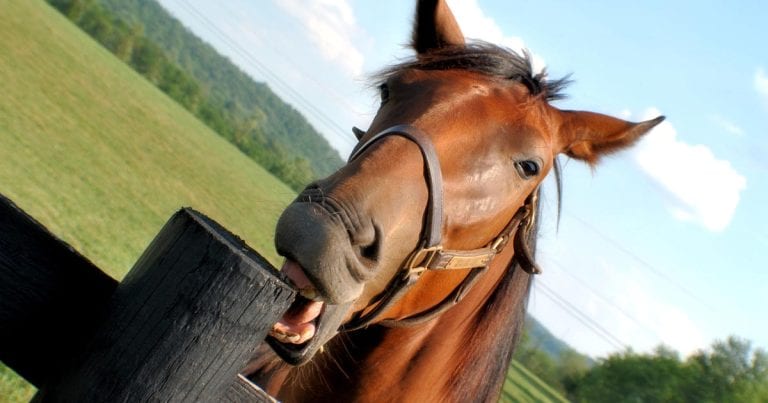
When a horse bites, it usually indicates that something is causing them pain. This could be an actual physical injury or an emotional issue. Consult a veterinarian to identify the source of the biting and how best to address it.
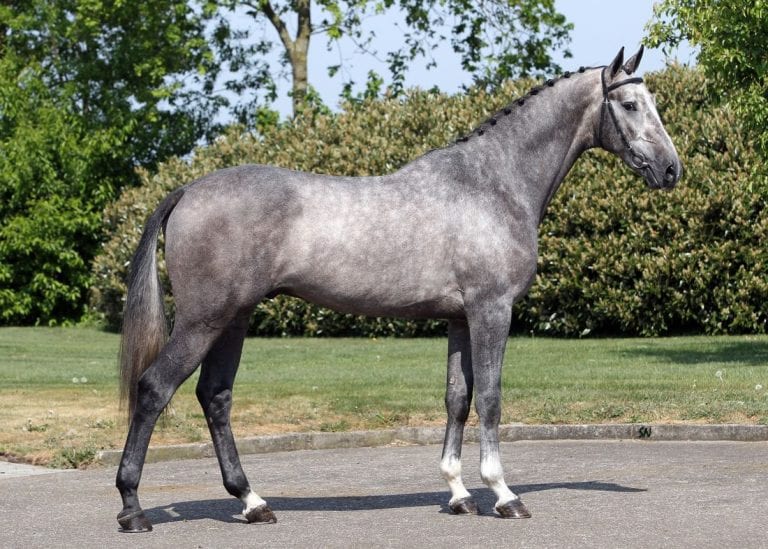
Dutch Warmbloods are an adaptable breed suitable for many purposes, such as riding, harnessing, jumping, and dressage. Their balanced build makes them easy to train, and they possess a calm temperament which makes them easy to teach.

Look for breeds known for their calm temperament, versatility, and adaptability. Beginner-friendly horses should be gentle, easy to handle, and trainable. Consider breeds like Quarter Horse, Paint Horse, Appaloosa, Thoroughbred, Morgan Horse, Haflinger, Welsh Pony, Icelandic, and Tennessee Walking Horse.

Wild mustangs have long been used for horseback riding and are integral to American history. As beloved symbols of pioneer spirit and inspiration to modern Americans, these majestic beasts remain a source of pride and motivation.
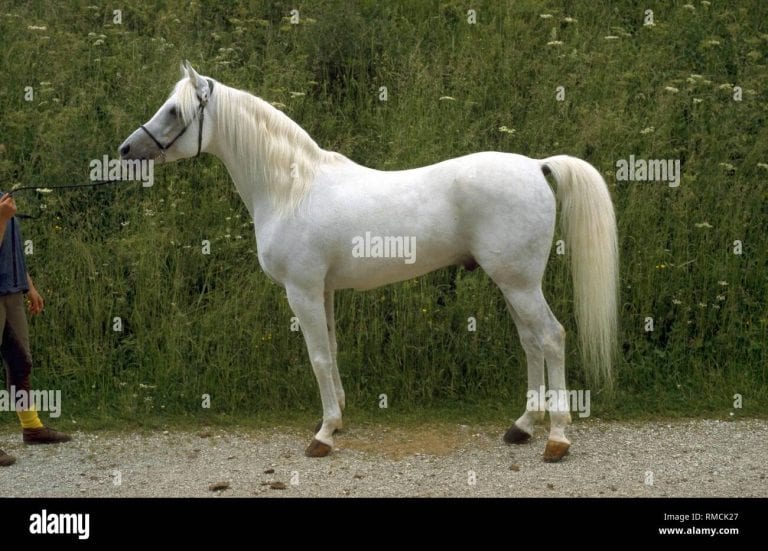
The Arabian horse is one of the world’s most beloved breeds. Not only are they top racing horses, but they are also excellent riding and trail horses. Their captivating appearance and even temperament make them a popular choice for any horse enthusiast.

Whether you’re an avid horse lover or intrigued by the uniqueness of rare breeds, delving into their stories offers a rewarding glimpse into the rich tapestry of our shared heritage.
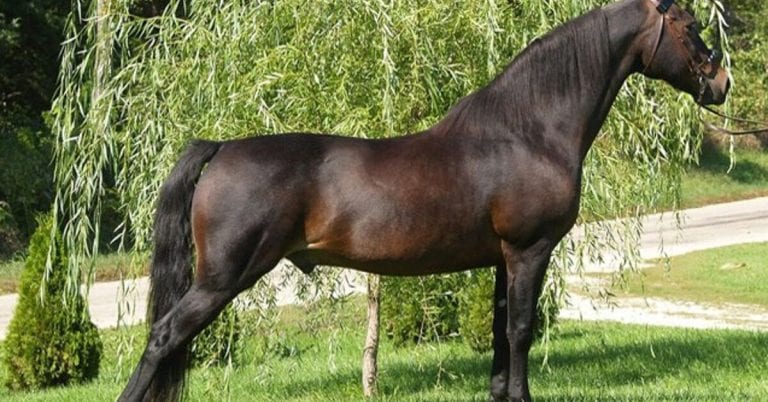
Morgans are known for their calm temperaments and are excellent candidates for clicker training. Additionally, Morgans tend to be more tolerant of new riders than most other breeds, making them an ideal choice for families with young children.
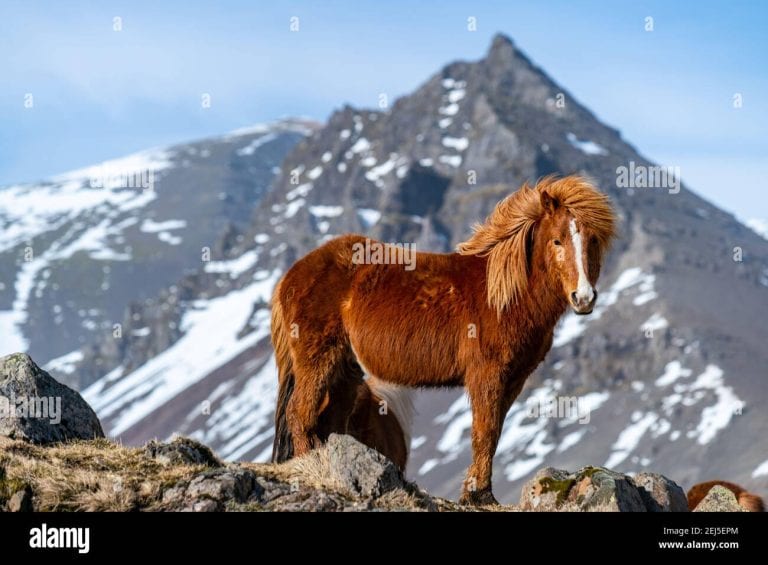
Icelandic horses are versatile breeds that can be trained for various activities. They excel at dressage, carriage pulling, and even polo and barrel racing – not to mention making excellent family-riding horses!
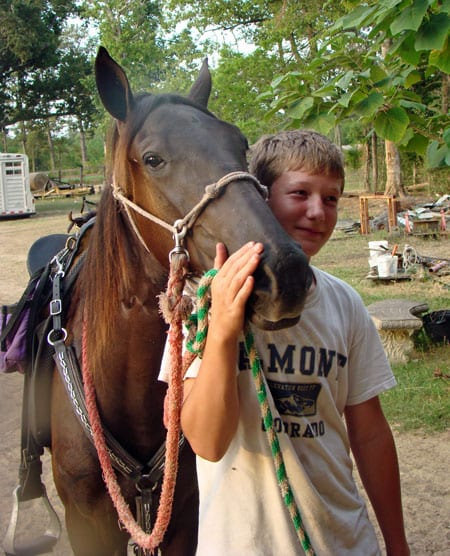
The Tennessee Walking Horse is a gaited horse breed with an expressive, smooth four-beat running walk. Its docile temperament and comfortable gait make it popular for trail riding, pleasure riding, and competition.

Due to their impressive intelligence, Andalusians possess the capacity to acquire new movements and skills quickly. They can be taught difficult movements like collection or trot-gallop transitions with ease.
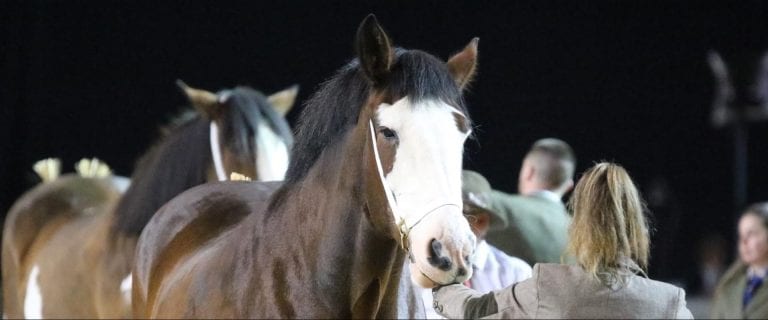
Clydesdales are hardworking and loyal horses that have been used for centuries to pull heavy loads. They have also gained notoriety in show rings and as riding horses. This breed of even-tempered horse is distinguished by its white socks on its legs and blaze markings.

Shetland ponies are beloved pets, known for their small stature and friendly disposition. While they make ideal pets, Shetland pony ownership requires a great deal of commitment and devotion – especially since these ponies tend to be the first horse many children learn how to ride!
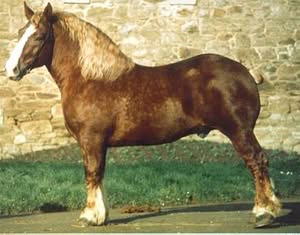
Breton horses should be regularly brushed with either a curry comb or dandy brush to remove dirt from their coat, and with a soft brush for sensitive areas like the head, tail, and mane. Additionally, you should brush your horse’s hooves several times daily in order to prevent hoof infections from developing.
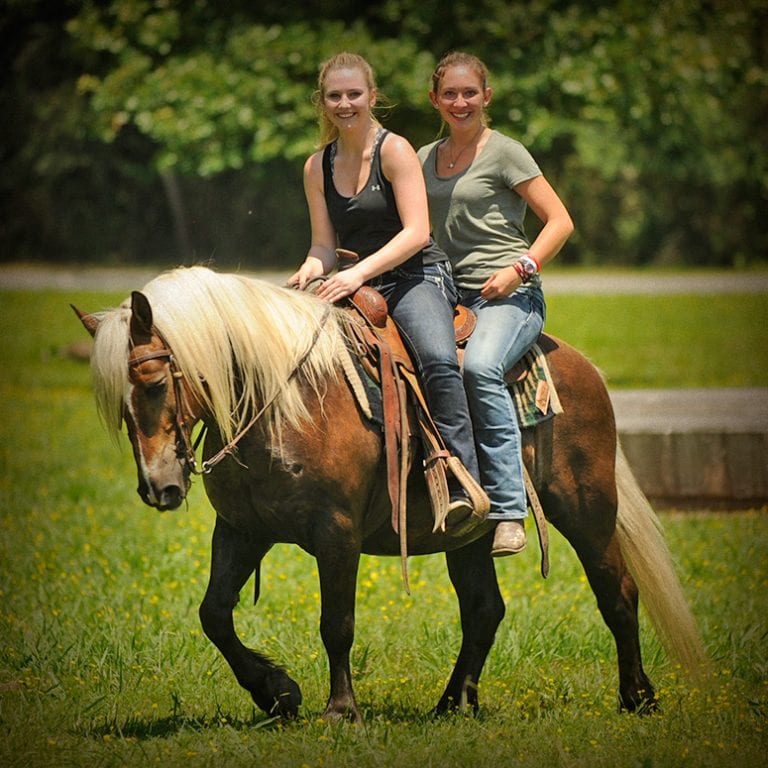
The Haflinger is easily identified by their distinctive chestnut hair and light-colored long mane, which sets them apart from other horses. They come in an array of shades from light gold to liver brown.

Horses come in a range of colors, such as sorrel, chestnut, bay, gray, dun, buckskin, and black roan. Some horses even sport white markings like stars on their faces or socks or stockings on their legs.
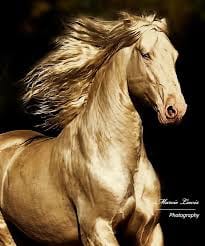
The Lusitano Horse is one of the most beloved horse breeds in Portugal. It stands out with its light-colored coat and enthusiastic attitude toward training and work. However, like other horse breeds, the Lusitano can suffer from health issues or genetic disorders like other horses do.
For horses to run fast, they require the correct training and nutrition. Furthermore, their focus and motivation while running must also be maintained. Furthermore, the type of terrain they run on as well as how long they spend running are all important factors.
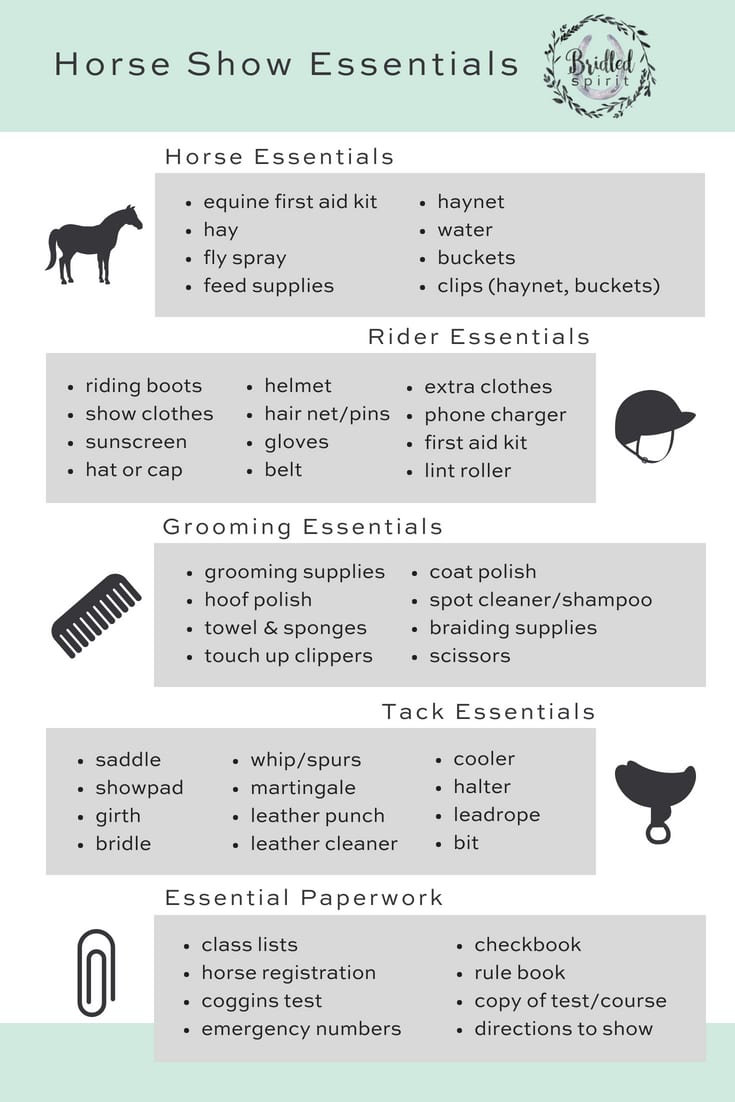
Every horse owner should always keep a fully stocked vet kit handy, whether it’s in their barn or trailer. Having the right supplies on hand can mean the difference between life and death in an emergency scenario.
The care of horses’ teeth plays an important role in their health. They need regular dental exams to maintain their oral health. In addition, they should have their teeth floated annually.
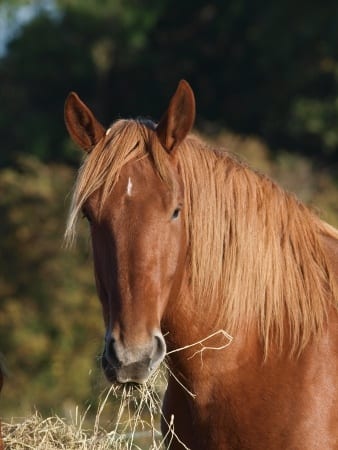
If you own a horse, having regular check-ups and vaccinations is important. These can help prevent and detect minor problems before they become major ones.
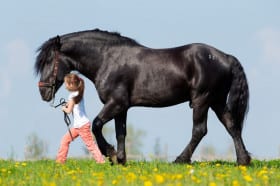
There are many horse insurance options to choose from. Some companies require a vet exam and other procedures before you can apply for insurance. Others impose time limits on treatment coverage. Some are more expensive than others.
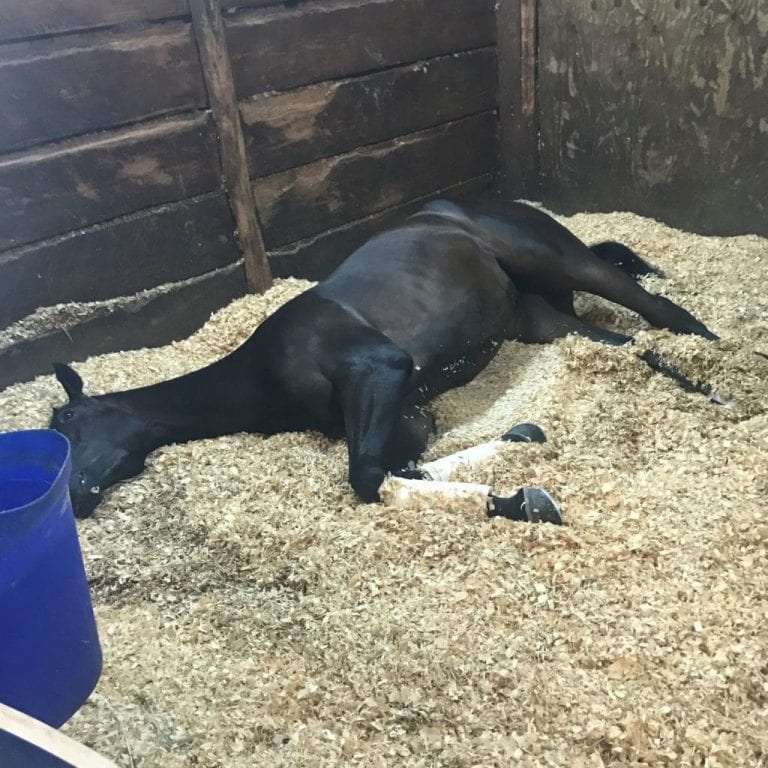
Horse bedding is essential for horses that spend time in a barn. Do a bit of research stall bedding to ensure that nyou are using the best available
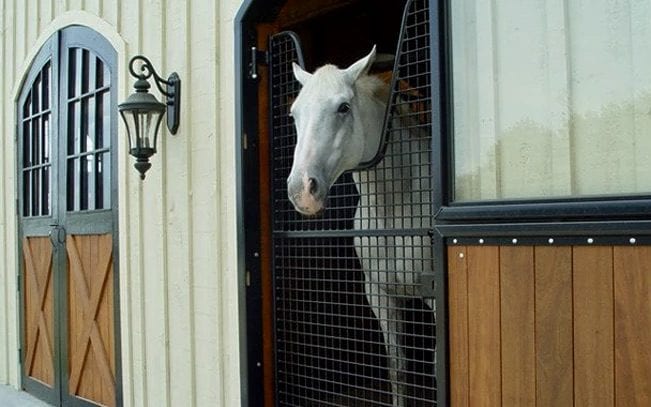
Balancing stall time with adequate turnout, exercise, and environmental enrichment is crucial for maintaining a horse’s physical and mental well-being. By understanding the pros and cons and implementing effective management practices, you can create a healthy and supportive environment for your horse.

Investing in quality equipment and understanding its use will enhance your experience and ensure your horse’s well-being. Whether you are a beginner or an experienced equestrian, having the right tools and gear is crucial for horse care and riding success

When shopping for an English horse saddle, you must first know how to measure your body. This can be accomplished by sitting in a chair and measuring from the knee to the back of
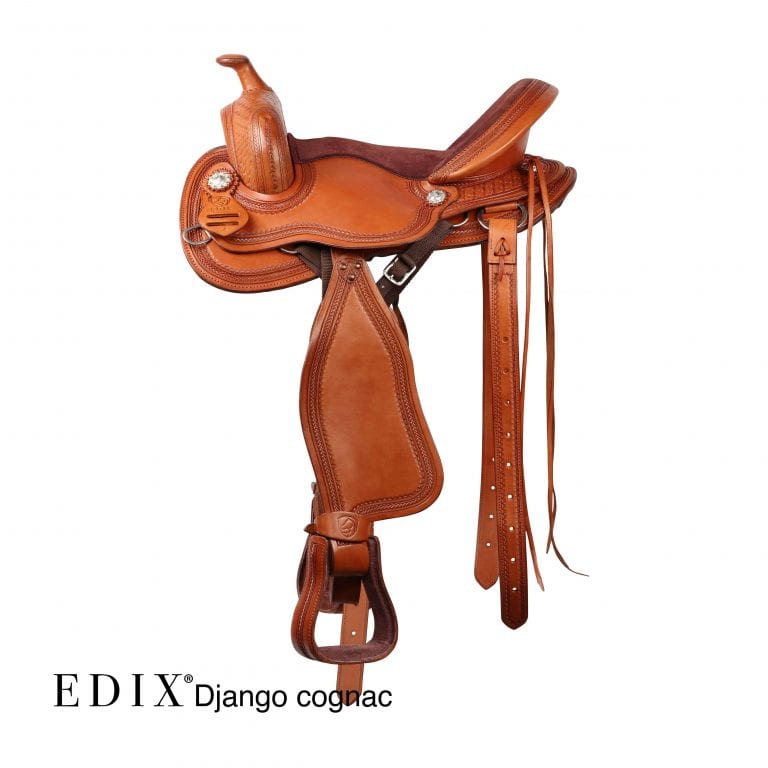
Saddles are upholstered seats for the rider of a horse. A well-made saddle provides support and security and lets the rider sit over the animal’s point of balance. Saddles have many components, including a base frame, panels, flaps, and skirts.
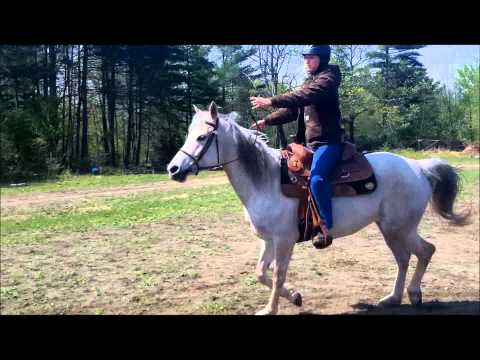
It is important to learn how to time your signals properly. If you don’t learn the exact timing of your signals, you’re more likely to end up with a horse that is frustrated and not responding to the training you’re trying to do.

Whether you’re riding for recreation or you’re competing with your horse, we’ll be your resource for everything related to equine sports, including safety tips, training and more.

If you have ever dealt with an equine eye problem, you know the importance of early recognition and appropriate treatment. Here are some common conditions and how your veterinarian might manage them

To help prevent colic in horses, ensure they have access to clean water at all times, feed a high-fiber diet with regular turnout or exercise, maintain a consistent feeding schedule, and monitor their behavior and manure production for any changes indicating discomfort.
Create a calming routine and desensitize your horse to stressful stimuli. Gradually expose your horse to new environments and situations to build confidence.

Regular practice and attention to your horse’s needs and behavior will strengthen your bond and improve your horse’s overall manners and responsiveness. These lessons will help you build a strong foundation for more advanced training and a harmonious partnership with your horse.

Establish clear boundaries and consistent training routines. Do not reinforce the bucking behavior by stopping work. Instead, redirect focus and reward compliant behavior.

Another technique to use for desensitizing your horse is counter-conditioning. This technique helps your horse avoid unpleasant stimuli by providing distractions.

Participating in horse training clinics enhances your horsemanship and fosters a supportive community of like-minded equestrians dedicated to continuous learning and improvement.
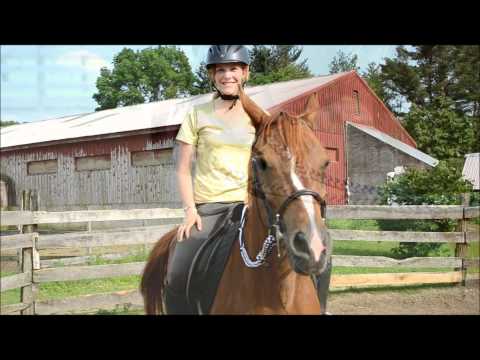
Horses communicate primarily through body language. Understanding and using body language effectively can help catch and retain your horse’s attention.

Horse blanketing has been a recurring theme in art, symbolizing themes such as protection, strength, and companionship between humans and horses throughout history.

Showing your horse love and affection during the winter is crucial for their emotional well-being, physical health, and the overall strength of your bond. Regular grooming, quality time, proper nutrition, adequate shelter, and regular exercise are all essential components of winter care.
End of content
End of content