Unlock Your Potential: A Comprehensive Guide to Becoming a Successful Horse Trainer
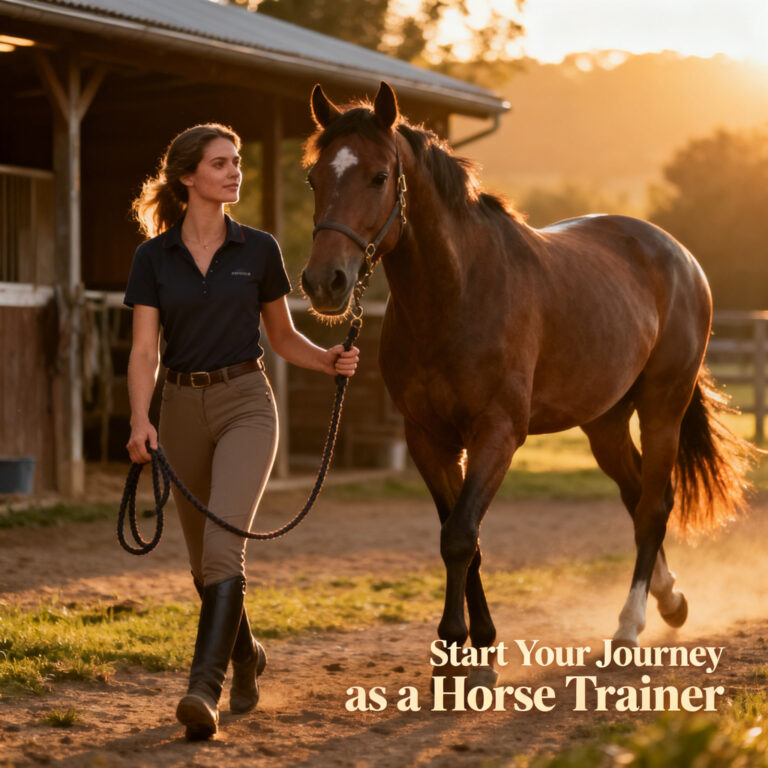
How to get started as a horse trainer involves learning horse behavior, training techniques, and gaining hands-on experience to develop effective training skills.
Horse Training

How to get started as a horse trainer involves learning horse behavior, training techniques, and gaining hands-on experience to develop effective training skills.

Get the insider scoop on the best horse bridles to elevate your equestrian game! Learn about materials, fit, and functionality to ensure every ride is stylish and on point, whether for leisure, training, or competition

Unlock the secrets to selecting the perfect saddle pad for training sessions. From material choices to design benefits, learn how to enhance your horse’s comfort and improve your riding performance with our expert insights and top product recommendations

Ever wondered what your horse is trying to say? This comprehensive guide reveals the hidden language of horse sounds—understand their emotions, strengthen your bond, and improve your horse care skills today

Are you unknowingly harming your horse during grooming? Discover the essential grooming mistakes that could lead to skin problems and trust issues. Equip yourself with the right knowledge to ensure your horse remains healthy and happy throughout every grooming session

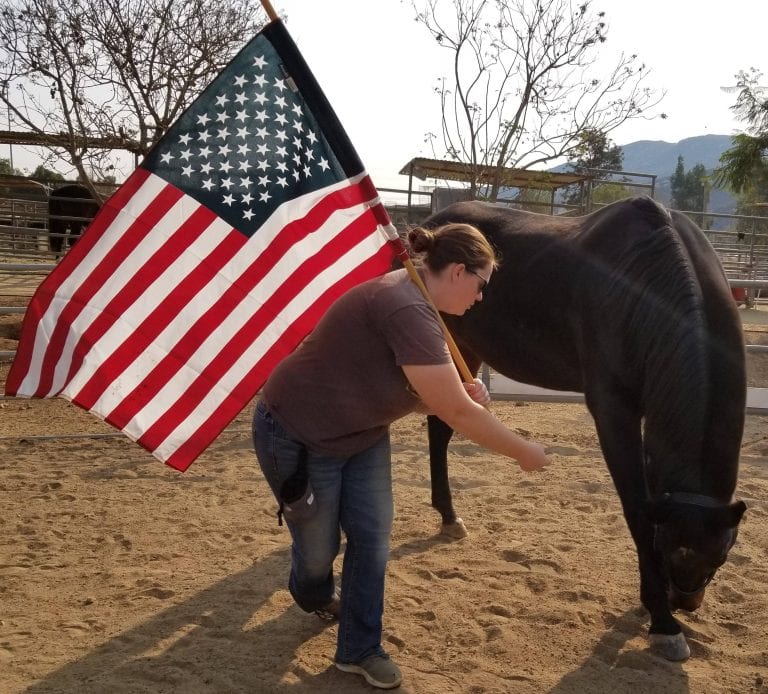
When using horse training equipment like flags, lunge whips, cavessons, halters, surcingles, bridles, and bits, it is crucial to prioritize the horse’s well-being and comfort. These tools should be used by knowledgeable individuals who can apply them effectively and humanely.

Training your horse is possible but requires knowledge, experience, patience, and consistency.
It can be beneficial to seek guidance from experienced trainers or professionals who can provide proper techniques and advice tailored to your goals and your horse’s needs.

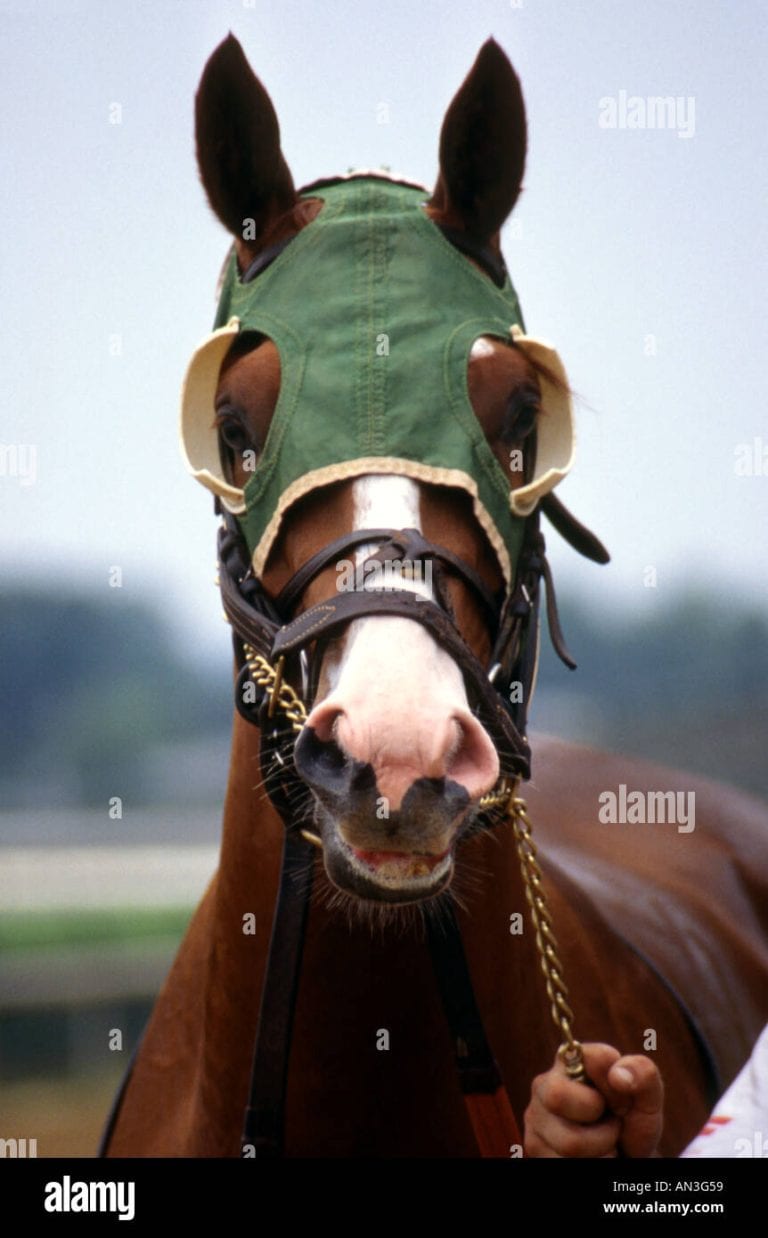
Blinkers can be an effective tool to keep a horse calm and focused while loading into a trailer or going through the starting gate. Though not recommended for everyday use, blinkers can provide comfort during stressful situations that might otherwise lead to mistakes.

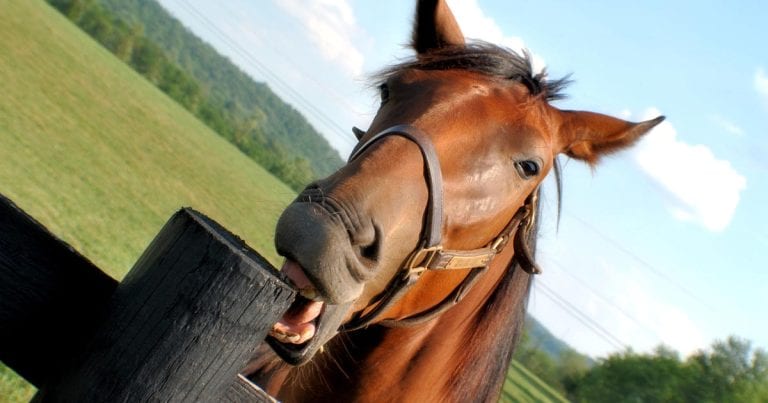
When a horse bites, it usually indicates that something is causing them pain. This could be an actual physical injury or an emotional issue. Consult a veterinarian to identify the source of the biting and how best to address it.

Keeping your horse warm is also important. Ensure you have water buckets and rubber trugs in your stable. Make sure these items don’t have metal handles!

Balancing stall time with adequate turnout, exercise, and environmental enrichment is crucial for maintaining a horse’s physical and mental well-being. By understanding the pros and cons and implementing effective management practices, you can create a healthy and supportive environment for your horse.

It is important to learn how to time your signals properly. If you don’t learn the exact timing of your signals, you’re more likely to end up with a horse that is frustrated and not responding to the training you’re trying to do.

Whether you’re riding for recreation or you’re competing with your horse, we’ll be your resource for everything related to equine sports, including safety tips, training and more.

Create a calming routine and desensitize your horse to stressful stimuli. Gradually expose your horse to new environments and situations to build confidence.

Regular practice and attention to your horse’s needs and behavior will strengthen your bond and improve your horse’s overall manners and responsiveness. These lessons will help you build a strong foundation for more advanced training and a harmonious partnership with your horse.

Establish clear boundaries and consistent training routines. Do not reinforce the bucking behavior by stopping work. Instead, redirect focus and reward compliant behavior.

Another technique to use for desensitizing your horse is counter-conditioning. This technique helps your horse avoid unpleasant stimuli by providing distractions.

Participating in horse training clinics enhances your horsemanship and fosters a supportive community of like-minded equestrians dedicated to continuous learning and improvement.

Horses communicate primarily through body language. Understanding and using body language effectively can help catch and retain your horse’s attention.

Patience, consistency, and positive reinforcement are essential elements of successful training. Regular practice and attention to your horse’s responses will ensure a strong, trusting partnership, making handling and managing your horse easier and more enjoyable for both of you.

Stay calm and relaxed throughout the process. Your horse will take cues from your behavior, so maintaining a calm demeanor helps keep your horse calm.

De-spooking takes time and patience. Progress at your horse’s pace and avoid rushing the process.
Consistency in training sessions reinforces learning and builds confidence.

The Parelli Method offers a holistic and humane approach to horse training that emphasizes understanding, communication, and mutual respect.
Following the principles of natural horsemanship and progressing through the four savvies can help you build a strong, trusting relationship with your horse.

Teaching the side pass requires patience and consistency. Progress at the horse’s pace, and avoid rushing the process. Consistent practice will yield the best results.

Successful horse training is built on a foundation of patience, consistency, and understanding of equine behavior. By applying positive reinforcement, clear communication, and respect, you can create a productive and enjoyable training experience for you and your horse.

The primary goals in training a barrel horse are to develop speed, enhance agility, improve responsiveness to cues, and ensure the horse can execute the pattern efficiently and safely.

Patience is crucial when training a young horse. Progress at the horse’s pace and avoid rushing the process. Consistent training sessions reinforce learning and build confidence.

The Indian hackamore is known for being gentler than traditional bits. It eliminates the risk of mouth injuries and discomfort caused by harsh bits, making it a humane option for controlling a horse.

Teaching a horse to back up with energy requires patience and consistency. Progress at the horse’s pace, and avoid rushing the process. Consistent practice will yield the best results.

A spooky horse can be a challenging yet rewarding partner. Their heightened sensitivity and reactivity can stem from various factors, including genetics, past experiences, or lack of exposure. While it may seem daunting, with patience, understanding, and consistent training, you can help your spooky horse gain confidence and overcome their fears. Understanding the Spooky Horse…

Ensure your horse’s diet is balanced and free of excessive sugars and starches, which can contribute to hyperactivity and anxiety. A fiber-rich diet and essential nutrients support overall health and calm behavior.

Your horse will mirror your emotions, so remaining calm and composed is crucial. Approach training sessions with a positive attitude and a calm demeanor to create a peaceful learning environment.

Properly securing the reins is crucial to prevent them from interfering with the horse’s movement or causing harm. Here are the steps to secure the reins effectively:

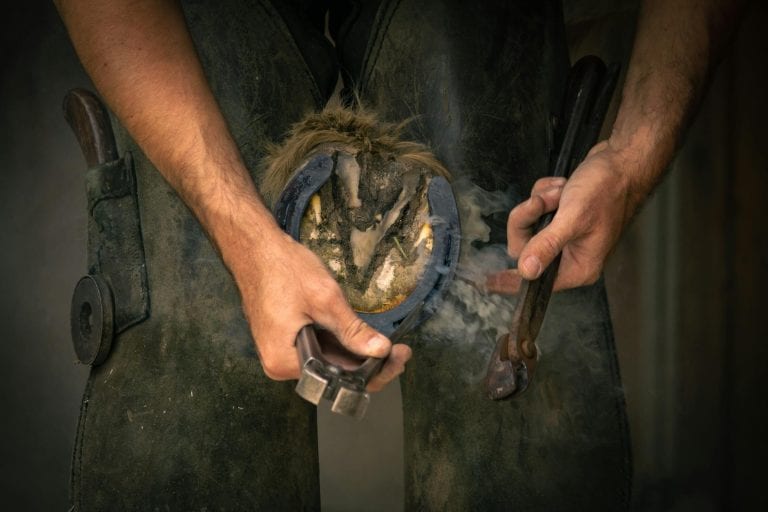
Clean your horse’s hooves daily or at least several times a week to prevent the buildup of dirt and debris and to catch any issues early.
End of content
End of content