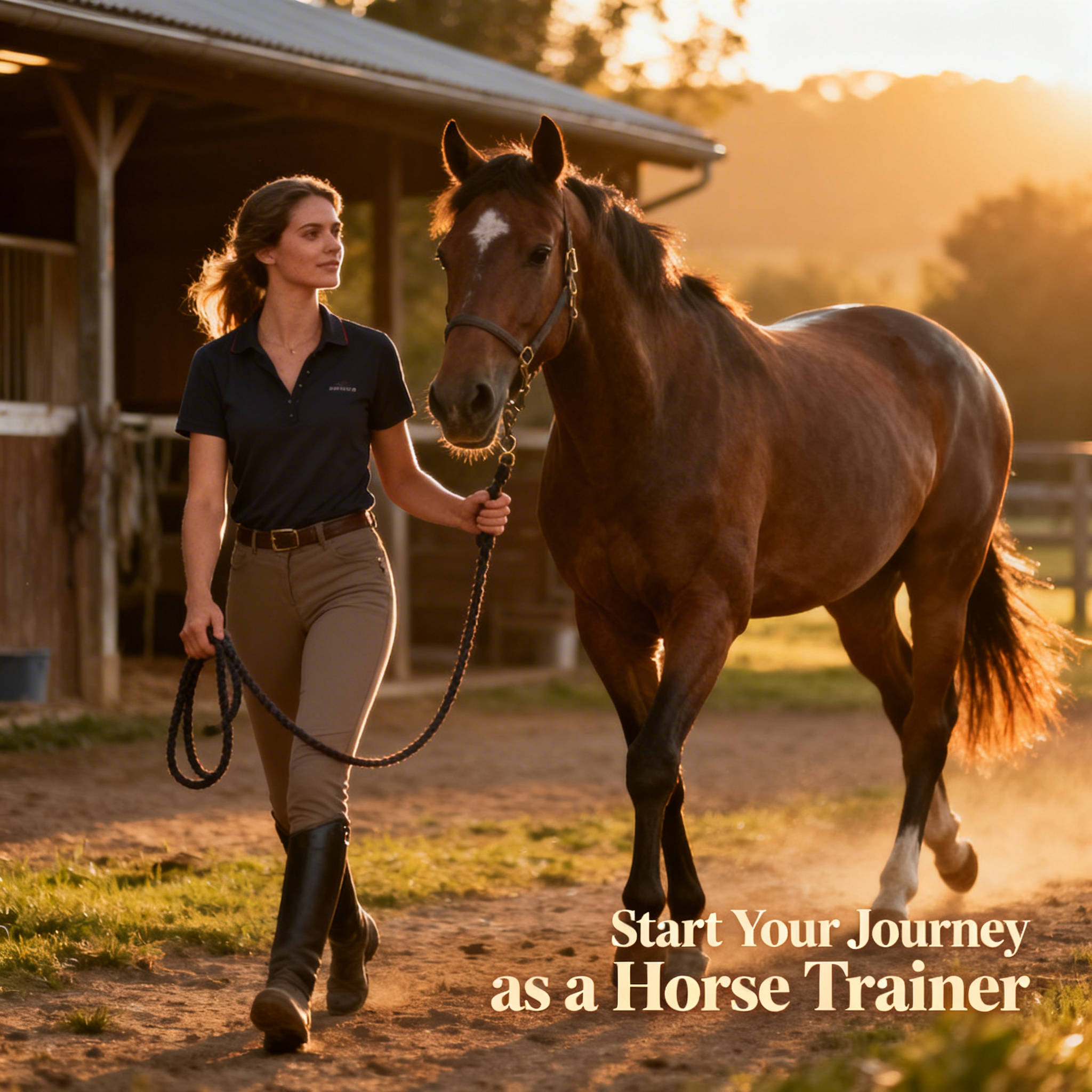
Unlock Your Potential: A Comprehensive Guide to Becoming a Successful Horse Trainer
Are you passionate about horses and want to turn that love into a rewarding career? Becoming a horse trainer might be the perfect path for you.
But where do you start? The world of horse training can seem complex and overwhelming at first.
This guide will break down everything you need to know to get started with confidence.
By the end, you’ll have clear steps to take, tips to avoid common mistakes, and the motivation to begin your journey.

- 【SUFFICIENT REPLACEMENT】There are 4 colors of equestrian flags and 2 colors flagpoles for you to choose from, horses can recognize these 4 colors training flags. So you can choose to replace them according to your preferences.
- 【TEAR-RESISTANT NYLON MATERIAL】Horse training flags are made of tear resistant nylon material, with reinforced grommets and stitched holes. Retractable flagpole is made of stainless steel rod and anti-slip sponge handle, providing you with a nice using experience. Comfortable and easy to carry.
- 【EASY TO INSTALL】Our equestrian training equipment set includes 4 Stainless Steel Rings, convenient for fixing the flag on the shaft.
- 【REPEATED USE】Horse training flag and telescopic flagpole have a certain waterproof performance, which can be applied on sunny days or rainy days and suitable for many occasions. All kits are designed for long time service.
- 【ZERO-RISK PURCHASE】We will provide you with a pleasant shopping experience and take responsibility for our products. If for any reason you aren’t happy with your purchase, please contact us, we will quickly provide you with a satisfactory solution!
Last update on 2026-10-07 / Affiliate links / Images from Amazon Product Advertising API
Let’s dive in and unlock your potential as a successful horse trainer!
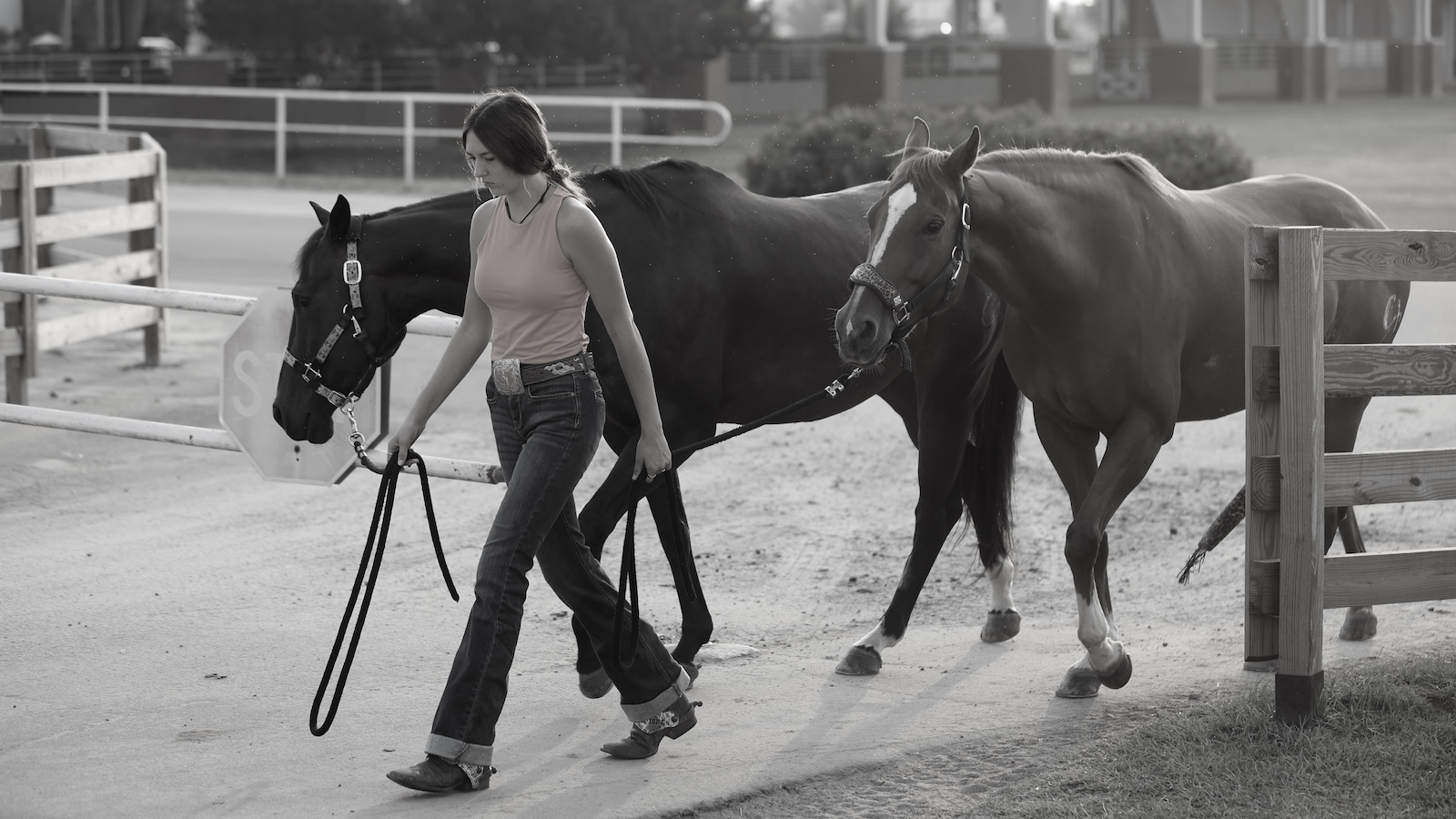
Credit: westernhorseman.com
Skills Needed
Starting a career as a horse trainer needs more than just love for horses. You must have certain skills to work safely and effectively.
These skills help you connect with horses and teach them well.
Horse training requires patience, knowledge, and physical strength. Each skill plays a key role in daily tasks and challenges. Developing these skills improves your work and builds trust with horses.
Patience And Consistency
Training horses takes time. Horses learn slowly and need repeated practice. Patience helps you stay calm when progress is slow.
Consistency means providing clear, consistent signals every day.
This helps horses understand your instructions. Without patience and consistency, horses may get confused or scared.
Understanding Horse Behavior
Horses communicate through body language and sounds. You must read these signs to know what they feel. Fear, comfort, or stress shows in their eyes, ears, and movements.
Understanding horse behavior keeps you safe and helps you train more effectively. It makes training smoother and builds respect between you and the horse.
Physical Fitness
Horse training needs strength and endurance. You will often walk, run, lift, and carry equipment. Being fit reduces the chance of injury.
Good fitness also helps you handle strong or nervous horses. Simple exercises can improve your strength and stamina for training tasks.
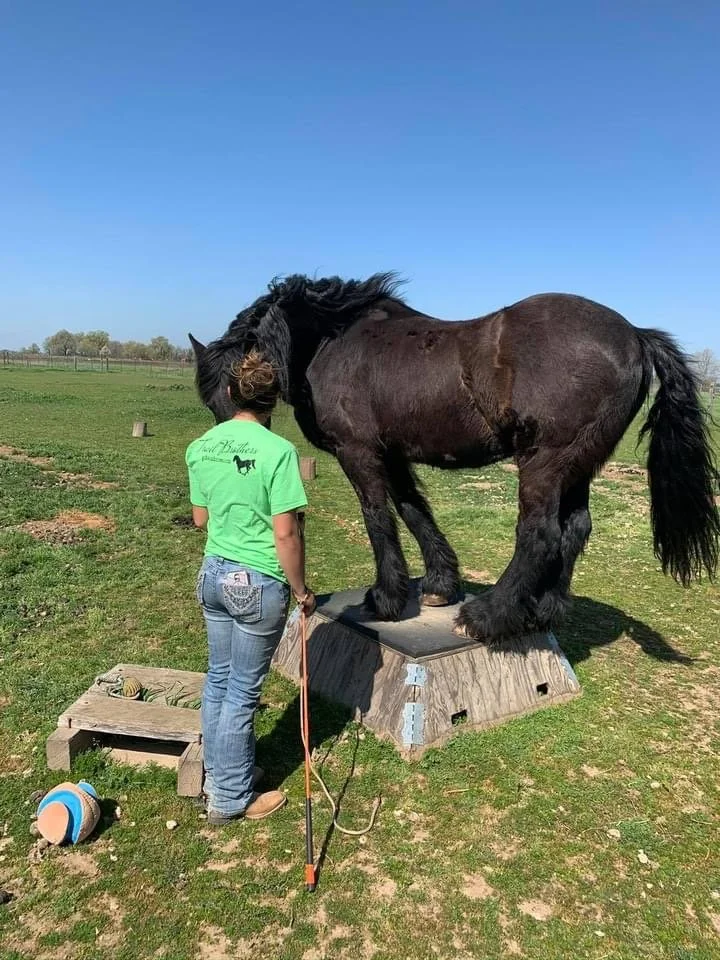
Credit: www.oceanviewstables.com
Essential Equipment
Starting as a horse trainer requires the right equipment.
This gear helps you train horses safely and well. Without it, training can become harder and less effective.
Good tools and supplies protect both the trainer and the horse.
They also make training clearer and more consistent. Here are the key items every beginner should have.
Training Tools
Training tools include items like halters, lead ropes, and training sticks. These tools help guide and control the horse during sessions. Use a halter to lead the horse safely.
Lead ropes keep the horse close and responsive. Training sticks can gently teach direction and commands.
Other tools, such as clickers or treats, help reinforce good behavior. Choose tools that fit the horse’s size and temperament. Keep tools clean and in good shape for best results.
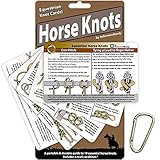
- EASY TO FOLLOW: Rugged knot reference guide for horse riding scenarios with step-by-step knot tying diagrams designed to be easy to follow, including descriptions and usage tips
- MINI CARABINER: Includes mini carabiner for clipping this pocket-sized equine knot book to your tack bag, or keeping it handy at camp
- PORTABLE: A packable alternative to paper horse books or phone apps that covers the essential horse riding, horse packing, and horse camping knots
- HOLDS UP IN DUSTY AND WET CONDITIONS: Portable, durable, completely waterproof card format is perfect for use in dirty and muddy environments
- STRONG: Printed on super thick premium plastic card stock for unmatched durability — horse things that are designed to last
Last update on 2026-10-07 / Affiliate links / Images from Amazon Product Advertising API
Safety Gear
Safety gear protects you from injuries while working with horses. A good helmet is a must to protect your head. Wear sturdy, high-heeled boots to avoid slipping.
Gloves protect your hands from rope burns and bites.
Wear clothing that fits well and covers your skin. Avoid loose clothes that can catch on equipment. Safety gear keeps training safe and comfortable every day.
Horse Care Supplies
Proper horse care supports training progress. Grooming brushes keep the horse clean and healthy. Hoof picks remove dirt and stones from hooves.
Clean hooves prevent infections and improve movement.
Have fresh water and quality feed ready. Healthy horses learn faster and behave better. Keep first aid supplies nearby for emergencies.
Good care strengthens the trainer-horse bond.
Learning Pathways
Starting a career as a horse trainer requires learning and practice. There are many ways to gain the skills needed. Each path offers different experiences and knowledge. Choose the one that fits your style and goals.
Learning about horses is not just about reading books. Hands-on experience and guidance make a big difference. Explore these learning pathways to build your foundation in horse training.
Formal Education
Many schools offer programs in animal science or equine studies. These courses teach horse behavior, health, and care.
You learn theory and practical skills.
Certificates or degrees can boost your credibility. Formal education helps you understand horse training basics deeply.
Apprenticeships
Working with an experienced trainer is a great way to learn. Apprenticeships provide daily real-life experience with horses.
You watch, help, and practice under expert guidance. This hands-on training builds confidence and skill. It also helps you see the trainer’s methods and routines.
Workshops And Clinics
Short courses and clinics focus on specific skills or techniques. They are often led by skilled trainers or specialists. Workshops offer quick, focused learning in a group setting.
Clinics provide an opportunity to ask questions and receive feedback.
These are effective for improving specific areas or for trying new methods.
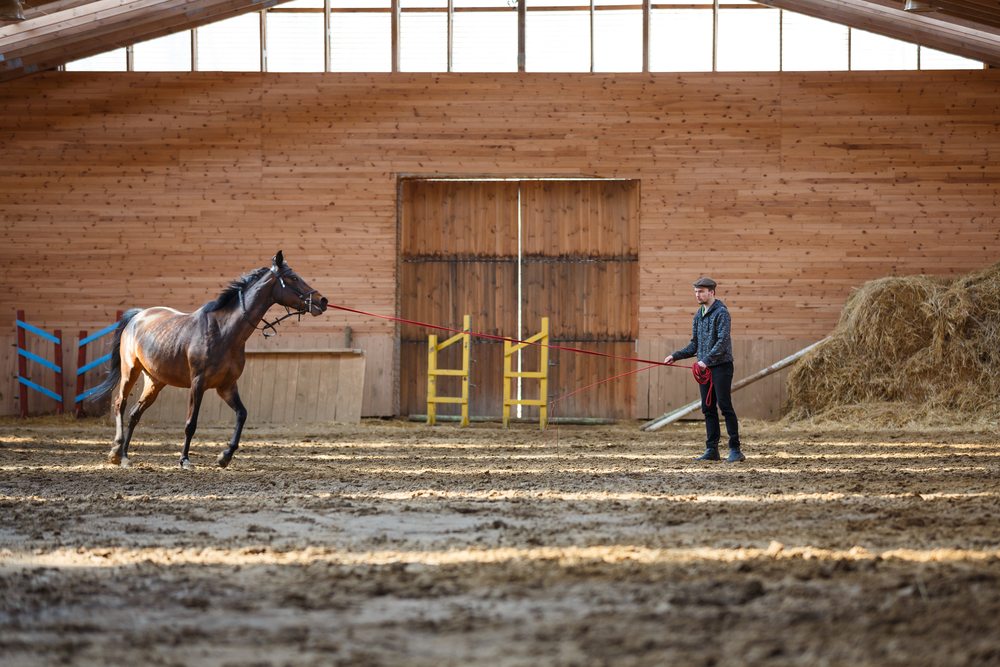
Credit: www.onlinedegree.com
Building Experience
Building experience is a key step in becoming a skilled horse trainer. It helps you understand horses better and improves your training skills. Hands-on experience offers lessons no book can.
You learn how to handle different situations and challenges.
Spending time with horses daily builds your confidence. The more you practice, the faster you grow. Experience also helps you develop patience and calmness, traits every trainer needs.
Volunteering Opportunities
Volunteering at stables or horse rescue centers offers great learning opportunities. You assist with feeding, grooming, and basic care.
This work helps you observe horse behavior closely. You also see how experienced trainers work with horses.
Many places welcome volunteers eager to learn. It costs little to no money and helps build your resume. Volunteering helps you meet professionals and build connections in the horse world.
Working With Different Breeds
Training different horse breeds broadens your skills. Each breed has unique traits and temperaments. Some are calm, while others are more energetic or stubborn.
You learn to adjust your methods to fit each horse.
Working with varied breeds prepares you for real-world challenges. It shows your versatility and dedication as a trainer. This variety also keeps your daily work interesting and rewarding.
Documenting Progress
Keeping records of training sessions tracks your progress. Write down what works and what doesn’t with each horse. Note behavior changes and improvements over time.
Photos and videos help you review your methods and results. They also showcase your skills and success stories to potential clients.
Documenting progress helps you stay organized and focused on goals.
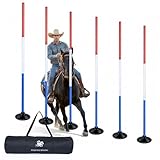
- Complete Equestrian & Sports Training Set: This 6-pack pole bending kit is designed for professional equestrian training and multi-sport agility practice. Each 6ft tall pole consists of three 24-inch detachable segments, two strong connectors, and one heavy-duty rubber base. A premium storage bag is included for easy carrying and organized storage—ideal for horse slalom training, youth riding academies, or outdoor turf sports
- Upgraded Design for Maximum Stability: Unlike traditional insert-type agility poles, our poles come with a 2.65lb weighted rubber base-five times the pole’s own weight-for unmatched stability on both sand arenas and grassy turf. No more tipping or wobbling during horse bending, rugby drills, or footwork hurdles practice
- Durable, Adjustable & Safe Construction: Each pole features a 26.9mm diameter and 2.3mm thick wall, made from high-quality impact-resistant plastic that’s smooth, burr-free, and built to last. The adjustable, detachable design allows flexible training setups and easy replacement or height customization. Perfect for repetitive, high-intensity sport training
- Enhanced Visibility with Red, White & Blue Colors: Because horses are red-green colorblind but can perceive blue, our red, white, and blue color combination ensures maximum visibility during pole bending or slalom events. The bright contrast helps horses better distinguish obstacles, improving performance and reducing knockdowns
- Quick Assembly & Easy Storage: The intuitive snap-fit system allows quick assembly—just align, connect, and insert the pole into the base. After training, disassemble and store the pieces neatly in the included carrying bag. Portable and space-saving, this kit is perfect for equestrian enthusiasts, trainers, and multi-sport athletes
Last update on 2026-10-07 / Affiliate links / Images from Amazon Product Advertising API
Starting Your Business
Starting a horse-training business is both exciting and challenging. It needs clear plans and smart actions. Success depends on how well you set up your business from the start.
Creating A Business Plan
A business plan guides your work and goals. Write your services clearly. Include training types and prices. Set short and long-term goals.
Plan your budget for equipment and facilities. Think about where to find your clients. A good plan helps you stay on track.
Marketing Strategies
Use simple ways to reach people. Create a website with your services and contact details. Use social media to share pictures and stories about your training.
Join local horse clubs and events. Word-of-mouth from happy clients is very powerful.
Give free tips or small lessons to attract clients.
Client Management
Build good relationships with your clients. Listen to their needs and answer questions clearly. Keep records of each horse and training progress. Be honest about results and timelines. Make appointments easy to schedule and keep. Happy clients will recommend you to others.
Common Challenges
Starting as a horse trainer brings many challenges. These challenges test your skills and patience. Knowing them helps you prepare more effectively.
You will face different situations that require calm and focus. The journey is tough but rewarding.
Handling Difficult Horses
Some horses are not easy to train. They may be scared, stubborn, or aggressive. You must learn to read their behavior. Patience is key. Use gentle methods and stay calm.
Building trust takes time. Avoid rushing or forcing the horse. Small steps lead to progress.
Dealing With Setbacks
Setbacks happen often in horse training. A horse may refuse to follow commands. Progress can slow down or stop. Mistakes are part of learning.
Stay positive and review your techniques. Ask for help from experienced trainers. Each setback teaches something new. Keep adjusting your approach.
Maintaining Motivation
Training horses can be tiring and frustrating. Motivation may drop during hard times. Set clear goals to stay focused. Celebrate small wins along the way.
Surround yourself with supportive people. Remember why you started this path. Keep learning and growing every day.
Frequently Asked Questions
What Skills Are Essential To Become A Horse Trainer?
Key skills include patience, communication, and knowledge of horse behavior. Trainers must handle horses calmly and understand their needs. Physical fitness and problem-solving skills also help manage training sessions effectively.
How Long Does It Take To Become A Horse Trainer?
Becoming a skilled horse trainer usually takes several years. Beginners often start with internships or apprenticeships. Gaining hands-on experience and learning from experts is crucial for success.
What Certifications Are Needed For Horse Training?
Certifications vary by region but help boost credibility. Programs such as the Certified Professional Horse Trainer offer recognized credentials. These certifications enhance knowledge and open more job opportunities.
How Much Can A Horse Trainer Earn Annually?
Horse trainer salaries vary by experience and location. Beginners may earn approximately $25,000 per year. Experienced trainers can earn $50,000 to $70,000 or more, depending on clientele.
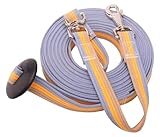
- COTTON – Made of soft cotton thread,Easy to grip and comfortable in hand,No need to worry about getting burned by the rope.
- RUBBER STOP – Our lunge line has a rubber stopper on the end,Help you have better control and prevent the rope from falling off your hands.
- SIZE – 24′ feet long.
- SWIVEL BOLT – There is a swivel bolt in the front section of our lunge line.Prevent ropes from getting tangled during training.
- COLORS – Unique contrasting color design.
Last update on 2026-10-07 / Affiliate links / Images from Amazon Product Advertising API
Our Conclusion
Starting as a horse trainer takes patience and practice. Learn about horses every day. Spend time with horses to understand their behavior.
Train with experienced trainers to gain skills. Stay calm and confident while working with horses. Remember, progress happens step by step.
Keep improving your knowledge and techniques.
Enjoy the journey of training horses well. Success comes from hard work and love for horses.
Your passion will guide you forward.


One Comment