Discover the 5 Main Types of Horses and What Makes Each Unique
Horses have been close companions to humans for thousands of years.
They helped us build cities, travel long distances, and even win wars. But not all horses are the same.
Some are big and strong, able to pull heavy loads. Others are fast, gentle, or easy to ride.
Understanding the different types of horses helps you choose the right horse for your needs—whether you are a rider, a farmer, or just a horse lover.
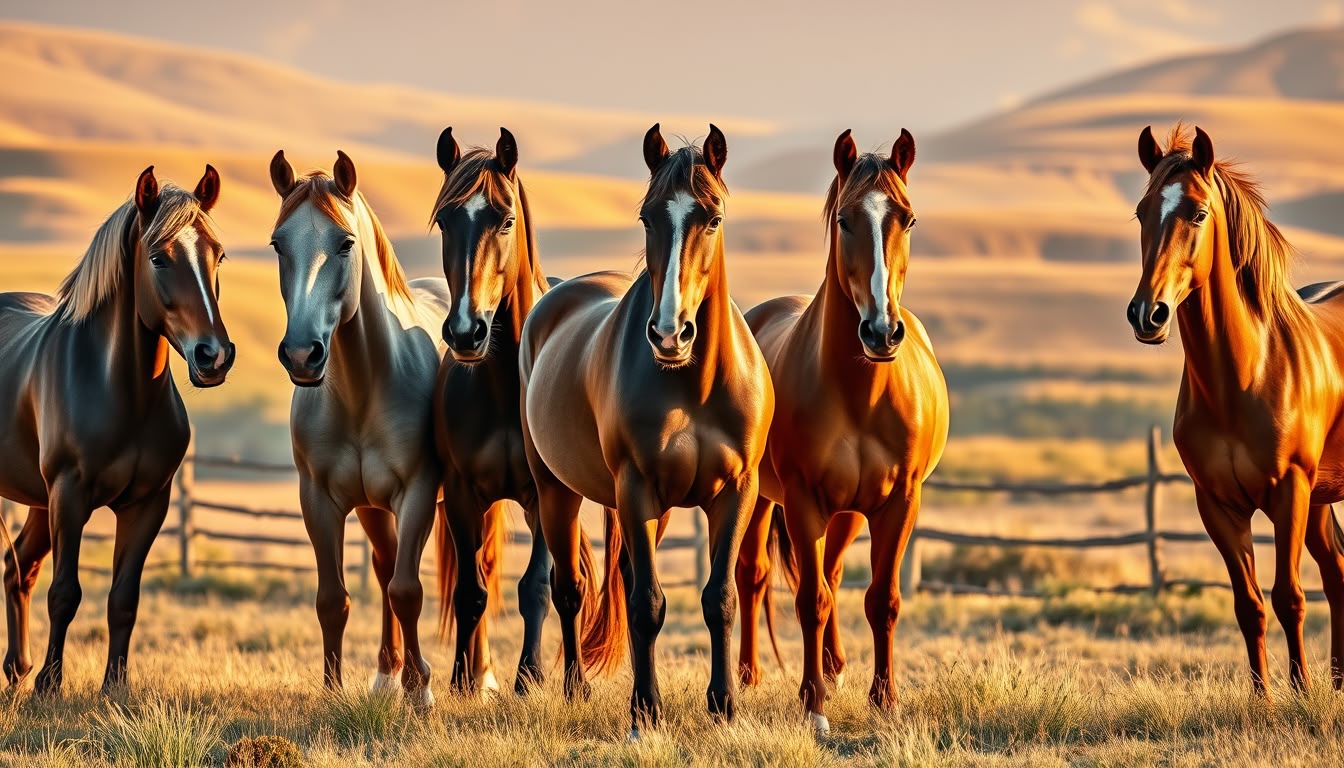
Horses are usually divided into five main groups: Draft Horses, Light Horses, Gaited Horses, Warmbloods, and Ponies.
Each group has special traits and strengths. These types are based on size, build, behavior, and the jobs they were bred to do.
Knowing these differences is important for anyone who wants to work with, ride, or care for horses.

- Spearmint-scented pain reliefgel contains natural menthol and herbal extracts
- Powerful muscle, joint, and arthritis pain relief rub
- Convenient liniment gel form for easy application
- Menthol loosens stiff joints and reduces swelling
- Show safe for USEF competition when used as directed on the label
Last update on 2026-09-18 / Affiliate links / Images from Amazon Product Advertising API
This article explains each of the five types in detail. You’ll learn about their history, main features, popular breeds, and what makes them special.
You’ll also find real examples, helpful tables, and answers to common questions.
Whether you’re new to horses or have years of experience, you’ll discover useful information and some insights that many beginners miss.
Draft Horses
Draft horses are the giants of the horse world. They were bred mainly for strength, to pull heavy carts, plows, and wagons.
These horses helped farmers, builders, and soldiers in the past. Even today, draft horses are used for farm work, logging, and parades.
Physical Characteristics
Draft horses have a large, muscular body. Their legs are thick and strong, often with feathering (long hair) around the hooves. They usually stand between 16 and 19 hands high (1 hand = 4 inches), and can weigh from 1,500 to 2,200 pounds. Their necks are short and powerful, and their heads are broad.
Temperament
Draft horses are known for their gentle and calm nature. They are patient and easy to handle, making them suitable for beginners and children. Their calmness is a result of breeding—people wanted horses that would not panic while working.
Common Breeds
Some famous draft horse breeds include:
- Shire: One of the tallest horse breeds. Used for pulling carts and heavy loads.
- Clydesdale: Famous for its feathered legs and for being used in commercials (like the Budweiser horses).
- Percheron: French breed, often used for farm work and carriage driving.
- Belgian: Very strong and stocky, often used for pulling plows.
Uses Today
While machines have replaced draft horses in many jobs, draft horses are still used in agriculture, forestry, and tourism.
Many people also enjoy draft horses in shows and parades because of their impressive size and beauty.
Non-obvious Insight
Most beginners think draft horses are slow and not athletic. But some, like the Percheron, are surprisingly agile and can be trained for riding. Their stamina makes them good for long, steady work.
Example Data Table: Draft Horse Breeds
| Breed | Height (hands) | Weight (lbs) | Main Use |
|---|---|---|---|
| Shire | 17–19 | 1,800–2,200 | Heavy hauling |
| Clydesdale | 16–18 | 1,600–2,000 | Parades, farm work |
| Percheron | 16–17 | 1,700–2,000 | Riding, logging |
| Belgian | 16–17 | 1,800–2,200 | Plowing |
Light Horses
Light horses are more athletic and versatile than draft horses. They were bred for speed, agility, and endurance. Most riding horses belong to this group. Light horses are used for racing, sports, and pleasure riding.
Physical Characteristics
These horses are smaller and lighter than draft horses, usually standing 14 to 16 hands high and weighing 900 to 1,200 pounds. Their bodies are lean, with long legs and a graceful neck. They have a finer bone structure, making them faster and more agile.
Temperament
Light horses are alert and energetic. They can be spirited, but many breeds are also gentle and friendly. Riders need to handle them with care, especially when working with young or inexperienced horses.
Common Breeds
Popular light horse breeds include:
- Arabian: Known for endurance, intelligence, and beauty.
- Thoroughbred: Famous for speed, used in racing.
- Quarter Horse: American breed, great for sprinting and Western riding.
- Morgan: Compact and versatile, used for riding and driving.
Uses Today
Light horses are seen in horse racing, show jumping, dressage, trail riding, and Western sports. Their speed and stamina make them ideal for competitive events and long rides.
Non-obvious Insight
Many people believe light horses are only for racing or fast sports. In reality, breeds like the Morgan are good for both riding and driving, and can be very calm, making them perfect for families.
Example Data Table: Light Horse Breeds
| Breed | Height (hands) | Weight (lbs) | Main Use |
|---|---|---|---|
| Arabian | 14–15 | 900–1,100 | Endurance, riding |
| Thoroughbred | 15–17 | 1,000–1,200 | Racing |
| Quarter Horse | 14–16 | 950–1,200 | Western sports |
| Morgan | 14–15 | 900–1,100 | Riding, driving |

- REPLACES VITAL ELECTROLYTES FOR HORSES: Replenishes sodium, potassium, calcium, and magnesium lost through sweat from exercise, hot or cold weather, stress, or illness, supporting hydration and overall horse health
- PROMOTES HYDRATION: This electrolyte supplement encourages horses to drink water regularly, helping prevent dehydration and maintain proper fluid balance for digestion, muscle function, and performance recovery
- BALANCED ELECTROLYTE FORMULA: Sugar-free apple-flavored electrolyte powder delivers a complete electrolyte profile suitable for horses of all ages and workloads, including performance, trail, and show horses
- EASY DAILY USE: Mix this sugar free electrolyte powder with your horse’s grain ration or feed directly; can be given proactively before exercise, travel, or stressful situations to prevent electrolyte depletion
- IDEAL FOR ALL HORSES: This zero sugar electrolyte powder supports hydration and electrolyte balance in performance horses, endurance horses, horses in hot or cold weather, horses in training, trail riding, or stressful conditions

Last update on 2026-09-18 / Affiliate links / Images from Amazon Product Advertising API
Gaited Horses
Gaited horses are unique because of their special way of moving. They perform smooth, four-beat gaits that make riding comfortable, even for long hours. These horses are popular with people who have back problems or want a gentle ride.
Physical Characteristics
Gaited horses usually have a medium build, standing 14 to 16 hands high and weighing 900 to 1,200 pounds. Their bodies are balanced, with strong but not bulky legs. The most important feature is their ability to perform natural, extra gaits like the “running walk,” “rack,” or “tölt.”
Temperament
Gaited horses tend to be friendly and cooperative. They are easy to train and often calm. Their gentle movement helps riders feel safe and relaxed.
Common Breeds
Famous gaited horse breeds include:
- Tennessee Walking Horse: Known for the “running walk,” very smooth.
- Paso Fino: Performs the “paso,” a fast, rhythmic gait.
- Missouri Fox Trotter: Known for “fox trot,” easy on the rider.
- Icelandic Horse: Small but strong, performs the “tölt” and “pace.”
Uses Today
Gaited horses are used for trail riding, endurance rides, and parades. Their comfortable gaits make them ideal for long-distance travel. They are also popular with older riders and people with physical challenges.
Non-obvious Insight
Many people think gaited horses are only for slow, easy rides. However, breeds like the Paso Fino can move quickly and are used in competitions. Also, the Icelandic horse is not a pony, despite its small size—it is a true gaited horse.
Example Data Table: Gaited Horse Breeds
| Breed | Height (hands) | Weight (lbs) | Main Gait | Main Use |
|---|---|---|---|---|
| Tennessee Walking Horse | 15–17 | 1,000–1,200 | Running Walk | Trail riding |
| Paso Fino | 13–15 | 900–1,100 | Paso | Show, pleasure |
| Missouri Fox Trotter | 14–16 | 950–1,200 | Fox Trot | Trail riding |
| Icelandic Horse | 13–14 | 700–900 | Tölt, Pace | Travel, sport |
Warmbloods
Warmbloods are the middle ground between hot-blooded and cold-blooded horses. They combine the athleticism of light horses with the calmness and strength of drafts. Warmbloods are mainly bred for sports and competitions.
Physical Characteristics
Warmbloods are medium to large-sized horses, usually standing 15 to 17 hands high and weighing 1,200 to 1,500 pounds. Their bodies are strong but not bulky. They have long legs, broad chests, and an elegant appearance.
Temperament
Warmbloods are known for their balanced temperament. They are calm and brave, but also energetic and responsive. This makes them ideal for competitive sports where both power and calmness are needed.
Common Breeds
Top warmblood breeds include:
- Dutch Warmblood: Famous for show jumping and dressage.
- Hanoverian: German breed, excels in sports.
- Holsteiner: Strong and athletic, used in jumping.
- Oldenburg: Flexible and powerful, good for many sports.
Uses Today
Warmbloods are the stars of the Olympic Games. They are used in show jumping, dressage, eventing, and driving competitions. Their mix of strength and grace makes them favorites in horse shows.
Non-obvious Insight
Many beginners think warmbloods are a single breed. Actually, “warmblood” is a category that includes many breeds, each with its own history and traits. Also, warmbloods are often bred through strict selection, making them highly reliable for sports.
Example Data Table: Warmblood Horse Breeds
| Breed | Height (hands) | Weight (lbs) | Main Sport |
|---|---|---|---|
| Dutch Warmblood | 16–17 | 1,400–1,600 | Show jumping |
| Hanoverian | 16–17 | 1,300–1,500 | Dressage, jumping |
| Holsteiner | 16–17 | 1,300–1,500 | Jumping, eventing |
| Oldenburg | 16–17 | 1,400–1,600 | Dressage |
Credit: www.petcaresupplies.com
Ponies
Ponies are often confused with small horses, but they are a separate group. Ponies have their own features, history, and uses. They are not just horses that didn’t grow tall.
Physical Characteristics
Ponies are short and sturdy, standing under 14.2 hands high. They have a stocky build, thick necks, and strong legs. Their manes and tails are often thick and fluffy. Ponies usually weigh 400 to 900 pounds, depending on the breed.
Temperament
Ponies are famous for being smart and sometimes stubborn. They are friendly, but their intelligence means they need careful training. Ponies are often patient with children, but can test adults if not handled well.
Common Breeds
Popular pony breeds include:
- Shetland Pony: Very small and tough, good for children.
- Welsh Pony: Elegant and versatile, used for riding and driving.
- Connemara Pony: Irish breed, strong and agile.
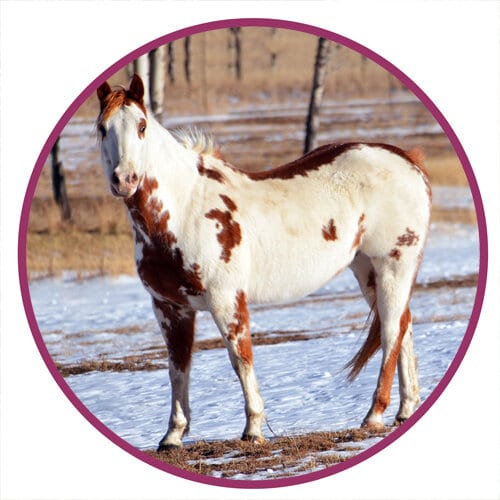
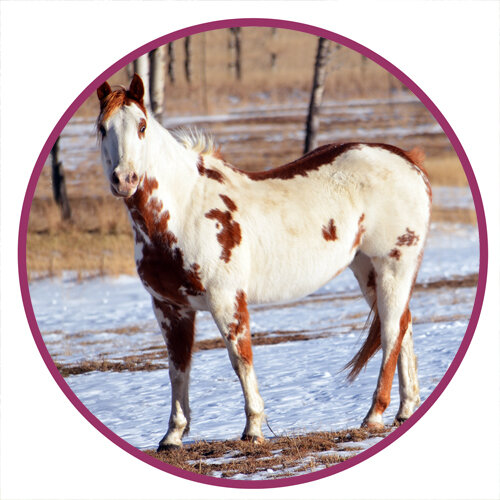
- Pony of the Americas: Known for unique spotted coloring.

- 14-Piece All-In-One Horse Grooming Kit: Our all-in-one horse brush set covers daily care and show preparation to avoid separate purchases. This full horse brush set includes a soft face brush, flexible finish brush, hard dandy brush, soft body brush, grooming sponge, hoof pick with brush, sweat scraper, 2 straight combs, mane and tail detangler brush, braiding comb, rubber bands, and a waterproof storage tote — the ultimate equine grooming kit for all needs
- Deep Grooming for Healthy Shiny Coat: This horse care kit delivers gentle yet thorough care from head to hoof. The curry comb loosens caked mud, sweat and shedding hair, while the brushes boost skin blood circulation and the detangler brush smooths manes without pulling. Regular grooming leaves coats glossy and healthy, turning routine care into a relaxing bonding experience for you and your horse
- Premium Durable & Ergonomic Build: Built for long-term stable and pasture use, every piece in our horse grooming tools set uses high-grade materials. The rust-resistant stainless steel hoof pick ensures lasting reliability, and all brushes are ergonomically designed which reduce hand fatigue during extended sessions. Gentle on sensitive skin, tough on heavy dirt, suitable for year-round daily use
- 900D Waterproof Oxford Storage Tote: Keep all your tack room accessories neatly organized and ready to go. This waterproof horse grooming bag is made of heavy-duty 900D Oxford cloth, with dedicated compartments and elastic straps to secure each tool. It’s for use in horse tack rooms or for on the go, ensuring you have quick access to your essentials
- Fits Riders of All Skill Levels: Ideal for beginners, seasoned equestrians, stable owners and professional caretakers alike, this horse grooming kit fits all usage scenarios. Whether for daily coat upkeep, thorough pre-show grooming, or casual bonding time with your horse, the intuitive tools deliver professional results without a steep learning curve
Last update on 2026-09-18 / Affiliate links / Images from Amazon Product Advertising API
Uses Today
Ponies are used for children’s riding, driving, therapy, and sometimes in sports. Their size and calmness make them ideal for beginners, but their strength allows them to do real work.
Non-obvious Insight
Many people think ponies are only for kids. However, breeds like the Connemara Pony can carry adults and compete in jumping or dressage. Also, ponies are used in therapy programs because of their gentle nature.
Example Data Table: Pony Breeds
| Breed | Height (hands) | Weight (lbs) | Main Use |
|---|---|---|---|
| Shetland Pony | 7–11 | 400–500 | Children’s riding |
| Welsh Pony | 11–14 | 500–700 | Riding, driving |
| Connemara Pony | 13–14 | 700–900 | Sport, adult riding |
| Pony of the Americas | 11–14 | 500–800 | Children’s sport |
Comparing The Five Types Of Horses
Understanding how these types differ helps you choose the best horse for your purpose. Here is a comparison of the main traits:
| Type | Height (hands) | Weight (lbs) | Temperament | Main Use |
|---|---|---|---|---|
| Draft Horse | 16–19 | 1,500–2,200 | Gentle, calm | Heavy work |
| Light Horse | 14–16 | 900–1,200 | Energetic, alert | Sports, riding |
| Gaited Horse | 14–16 | 900–1,200 | Smooth, friendly | Comfortable riding |
| Warmblood | 15–17 | 1,200–1,500 | Balanced, brave | Sports, shows |
| Pony | Under 14.2 | 400–900 | Smart, stubborn | Children, therapy |

Credit: www.horsesandhumans.org
How To Choose The Right Horse Type
Choosing the right horse is not just about looks or size. You need to think about your needs, experience, and the horse’s temperament. Here are some tips to help you decide:
- Purpose: What do you want the horse for? Heavy work needs a draft horse. Sports and racing need a light horse or warmblood.
- Experience Level: If you are a beginner, look for a calm draft horse or a gentle pony. Experienced riders can handle energetic light horses.
- Riding Comfort: If you have back problems or want a smooth ride, gaited horses are ideal.
- Size: Make sure the horse fits your height and weight. Ponies are good for children, but some breeds can carry adults.
- Temperament: Spend time with the horse before buying. Watch how it reacts to people and new situations.
Common Mistakes
- Choosing based on appearance alone: Many people buy horses just because they look nice. It’s more important to match the horse’s temperament and abilities to your needs.
- Ignoring training needs: Some types, like ponies, need careful training because of their intelligence.
- Underestimating care: Draft horses eat more and need bigger stalls. Light horses are more sensitive to stress.
The Importance Of Temperament And Training
A horse’s temperament is as important as its physical traits. Some horses are calm and patient; others are energetic and need more training.
Good training can improve any horse’s behavior, but each type has its own challenges.
- Draft horses: Easy to train, but need lots of food and space.
- Light horses: Sensitive, need gentle handling.
- Gaited horses: Often easy to train, but need practice to keep their gaits smooth.
- Warmbloods: Need experienced sports trainers.
- Ponies: Smart, need firm but kind guidance.
Many beginners miss the importance of daily handling. Spending time with your horse every day builds trust and helps you notice health or behavior problems early.

Credit: www.amazon.com
Health And Lifespan Differences
Different types of horses live for different lengths of time and have unique health needs.
- Draft horses: Live about 18–25 years. Prone to hoof problems and need strong fences.
- Light horses: Live 20–30 years. Sensitive to weather changes.
- Gaited horses: Live 25–30 years. Need regular gait training.
- Warmbloods: Live 20–25 years. Need careful feeding for sports.
- Ponies: Often live 30+ years. Prone to obesity if overfed.
Regular check-ups, good food, and exercise are important for all types.
Real-life Examples
Let’s look at how people use these horse types in real life:
- Draft Horses: In Amish communities, draft horses still plow fields. In cities, Clydesdales pull carriages for tourists.
- Light Horses: Quarter Horses compete in rodeos and Western events. Thoroughbreds race in the Kentucky Derby.
- Gaited Horses: Tennessee Walking Horses are used in long-distance trail rides for people with arthritis.
- Warmbloods: Dutch Warmbloods win medals in Olympic jumping and dressage.
- Ponies: Shetland Ponies help children learn to ride and are used in therapy sessions for kids with disabilities.
These examples show how different horses fit different jobs and lifestyles.

- POWERFUL: Made in USA with natural ingredients that work
- VETERINARY-TESTED & RAPID RESULTS: Begins working immediately to start healing faster
- pH BALANCED: Won’t disrupt skin’s natural microbiome, promotes healing, and is antibiotic-free
- LONG-LASTING: Thick ointment spreads easily to cover the affected area while providing treatment area moisturization
- TREATS: Wounds, rashes, cuts, scratches, surgical sites, burns, sweet itch, rain rot, bug bites, abrasions, sores, and other skin conditions and irritations
Last update on 2026-09-18 / Affiliate links / Images from Amazon Product Advertising API
Frequently Asked Questions
What Is The Main Difference Between A Horse And A Pony?
The main difference is height and build. Ponies are under 14.2 hands high and have a stocky body, thick mane, and strong legs. Horses are taller and usually have a finer build. Ponies are not just small horses—they have unique traits and can be very strong for their size.
Are Warmbloods Good For Beginners?
Warmbloods are balanced and calm, but they are often bred for sports. While some warmbloods can be suitable for beginners, most need an experienced rider because they are athletic and sensitive to training. Beginners may do better with a gentle draft horse or pony.
Can Ponies Be Used For Adult Riding?
Yes, many ponies—especially breeds like the Connemara—are strong enough for adults and compete in jumping and dressage. The key is to match the pony’s size and strength to the rider’s weight. Ponies are not just for children.
What Makes Gaited Horses Special?
Gaited horses perform extra, smooth gaits that are comfortable to ride. These gaits reduce bouncing, making them ideal for people with back pain or those who want a gentle ride. Breeds like the Tennessee Walking Horse and Paso Fino are famous for these unique movements.
How Long Do Horses Live?
A horse’s lifespan depends on its breed and care. Draft horses live 18–25 years, light horses 20–30 years, gaited horses 25–30 years, warmbloods 20–25 years, and ponies can live 30+ years. Good care, nutrition, and exercise help horses live longer, healthier lives.
Our Final Thoughts
Horses come in many shapes, sizes, and personalities. Understanding the five main types—Draft Horses, Light Horses, Gaited Horses, Warmbloods, and Ponies—helps you choose the right companion for your needs. Each group has its strengths, challenges, and special qualities.
Whether you want a strong worker, a fast athlete, a comfortable ride, or a gentle friend for your child, there’s a horse type that fits your life. Spend time learning about each group, meet different breeds, and always think about temperament and training.
With knowledge, you’ll make better choices and enjoy a deeper connection with these amazing animals.
For more detailed information on horse breeds and classification, visit Wikipedia.