Exploring the Benefits of Barrel Horse Training
The primary goals in training a barrel horse are to develop speed, enhance agility, improve responsiveness to cues, and ensure the horse can execute the pattern efficiently and safely.
Horse Articles
The primary goals in training a barrel horse are to develop speed, enhance agility, improve responsiveness to cues, and ensure the horse can execute the pattern efficiently and safely.
Patience is crucial when training a young horse. Progress at the horse’s pace and avoid rushing the process. Consistent training sessions reinforce learning and build confidence.
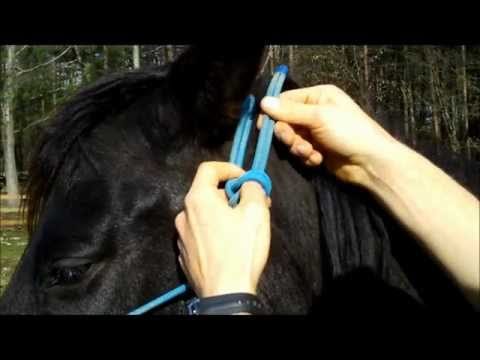
The Indian hackamore is known for being gentler than traditional bits. It eliminates the risk of mouth injuries and discomfort caused by harsh bits, making it a humane option for controlling a horse.
Teaching a horse to back up with energy requires patience and consistency. Progress at the horse’s pace, and avoid rushing the process. Consistent practice will yield the best results.
A spooky horse can be a challenging yet rewarding partner. Their heightened sensitivity and reactivity can stem from various factors, including genetics, past experiences, or lack of exposure. While it may seem daunting, with patience, understanding, and consistent training, you can help your spooky horse gain confidence and overcome their fears. Understanding the Spooky Horse…
Horses in regular work may need coolers or lightweight blankets after exercise to prevent chills while cooling down. Conversely, horses with lower activity levels may need thicker blankets to stay warm when standing still for long periods.
Every horse is different. Adjust your grooming techniques based on your horse’s preferences and sensitivities. Some horses may prefer softer brushes, while others enjoy a firmer touch.
Horse training schools offer a structured curriculum that covers a wide range of topics, from basic riding skills to advanced training techniques. This organized approach helps students progress systematically and ensures a well-rounded education.
Investing in quality leg wraps and blankets and using them correctly can provide your horse with the best possible care, ensuring their health, comfort, and performance year-round.
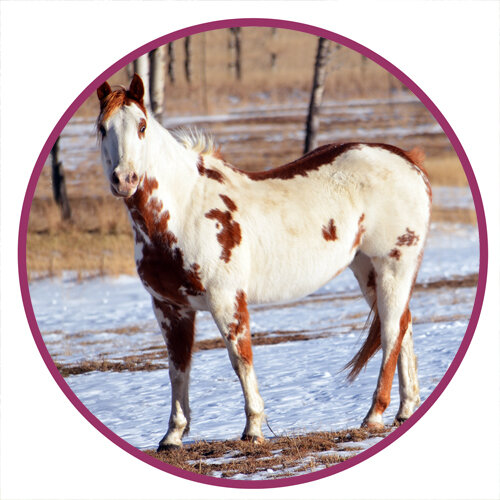
Ponies come in various colors and patterns, from solid coats to pintos and appaloosas. This variety makes each pony unique and visually appealing. Their striking color combinations and markings add to their individuality and allure.
The saddle should sit level on the horse’s back, with equal weight distribution across the front, middle, and back. An unbalanced saddle can cause pressure points and discomfort.
Keep an eye on the weather forecast and adjust care routines as needed. Extreme cold, wind chill, and wet conditions can increase the risk of hypothermia and other health issues. Ensure ponies have appropriate shelter and blanketing based on current and predicted weather conditions.
Regularly inspect the boots for signs of wear and tear. Replace any boots that are damaged or no longer provide adequate protection. Check for any sharp edges or broken parts that could harm the horse.
Discover the different types of fly sheets for horses and find the best one for your horse. Learn about fly protection basics and more
Regular cleaning and maintenance are crucial to prolonging the lifespan of your dressage tack. After each use, wipe down the equipment with a damp cloth to remove sweat and dirt.
End of content
End of content