Common Sense Horse Training – How To Slow Down Your Horse
Create a calming routine and desensitize your horse to stressful stimuli. Gradually expose your horse to new environments and situations to build confidence.
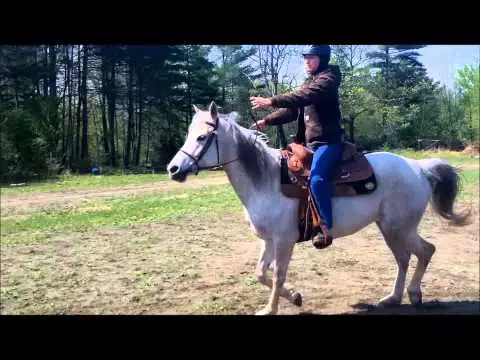
Create a calming routine and desensitize your horse to stressful stimuli. Gradually expose your horse to new environments and situations to build confidence.

Regular practice and attention to your horse’s needs and behavior will strengthen your bond and improve your horse’s overall manners and responsiveness. These lessons will help you build a strong foundation for more advanced training and a harmonious partnership with your horse.
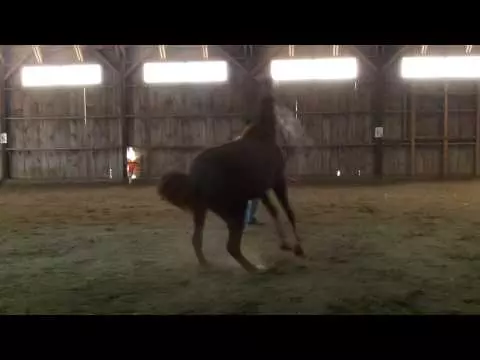
Establish clear boundaries and consistent training routines. Do not reinforce the bucking behavior by stopping work. Instead, redirect focus and reward compliant behavior.
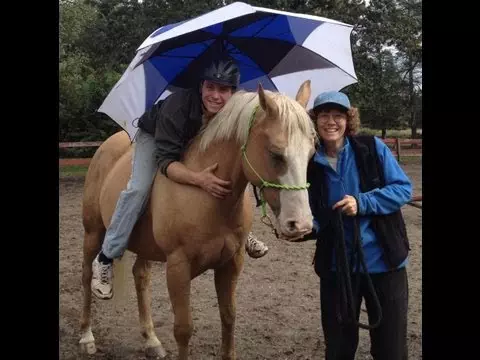
Another technique to use for desensitizing your horse is counter-conditioning. This technique helps your horse avoid unpleasant stimuli by providing distractions.
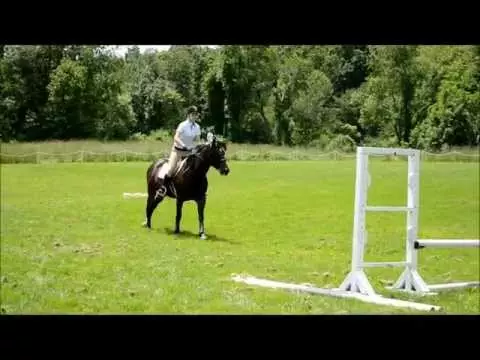
Participating in horse training clinics enhances your horsemanship and fosters a supportive community of like-minded equestrians dedicated to continuous learning and improvement.
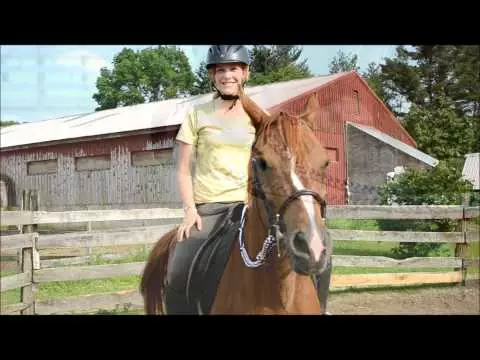
Horses communicate primarily through body language. Understanding and using body language effectively can help catch and retain your horse’s attention.

Patience, consistency, and positive reinforcement are essential elements of successful training. Regular practice and attention to your horse’s responses will ensure a strong, trusting partnership, making handling and managing your horse easier and more enjoyable for both of you.
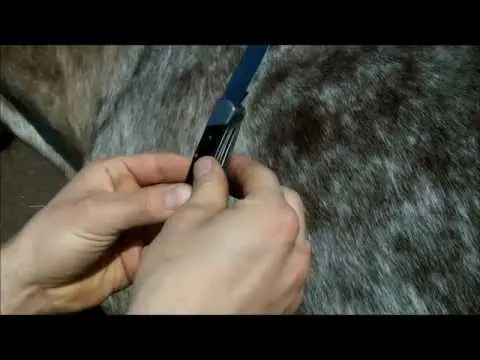
Horse blanketing has been a recurring theme in art, symbolizing themes such as protection, strength, and companionship between humans and horses throughout history.

Showing your horse love and affection during the winter is crucial for their emotional well-being, physical health, and the overall strength of your bond. Regular grooming, quality time, proper nutrition, adequate shelter, and regular exercise are all essential components of winter care.
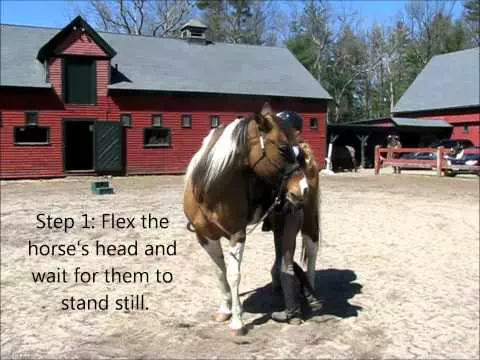
Stay calm and relaxed throughout the process. Your horse will take cues from your behavior, so maintaining a calm demeanor helps keep your horse calm.
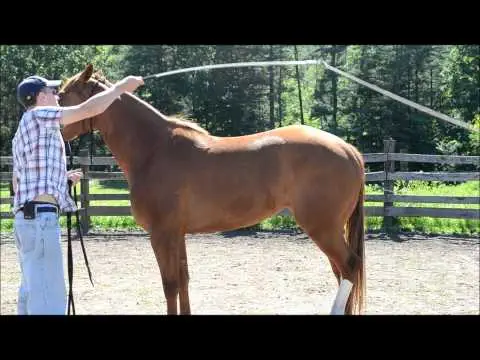
De-spooking takes time and patience. Progress at your horse’s pace and avoid rushing the process.
Consistency in training sessions reinforces learning and builds confidence.
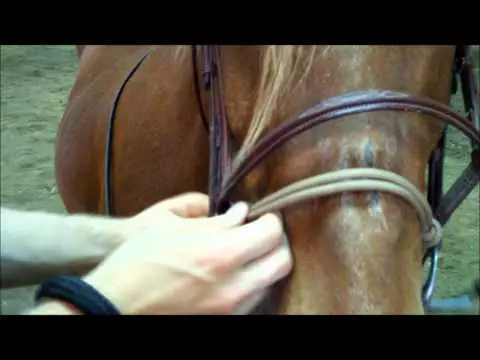
Removing a rope halter with a bridle on is straightforward and requires attention to detail and a calm approach. Following the step-by-step guide and implementing the tips can ensure a smooth and safe transition for your horse.

Understanding the various types of horse equipment and their purposes is essential for ensuring both horse and rider’s safety, comfort, and performance.

The Parelli Method offers a holistic and humane approach to horse training that emphasizes understanding, communication, and mutual respect.
Following the principles of natural horsemanship and progressing through the four savvies can help you build a strong, trusting relationship with your horse.
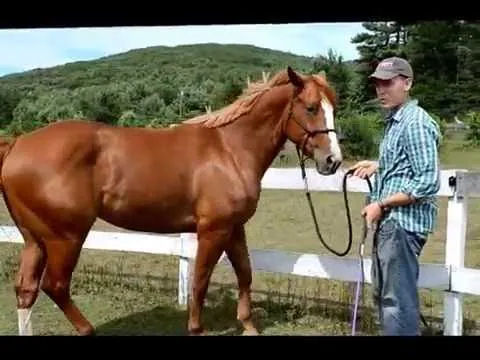
Teaching the side pass requires patience and consistency. Progress at the horse’s pace, and avoid rushing the process. Consistent practice will yield the best results.
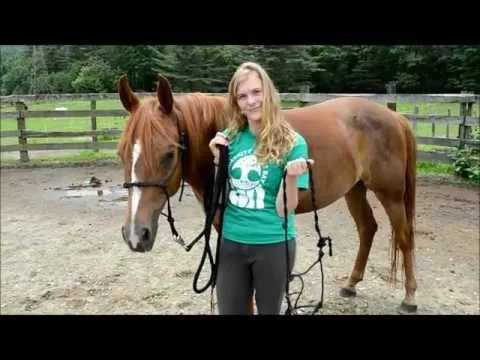
English saddles are used in various riding disciplines, each with a specialized design to accommodate the sport’s specific requirements.

Western saddle blankets come in various colors, patterns, and styles, allowing riders to express their taste and complement their horse’s appearance. This aesthetic appeal can be important in showmanship and competitive events.

Successful horse training is built on a foundation of patience, consistency, and understanding of equine behavior. By applying positive reinforcement, clear communication, and respect, you can create a productive and enjoyable training experience for you and your horse.
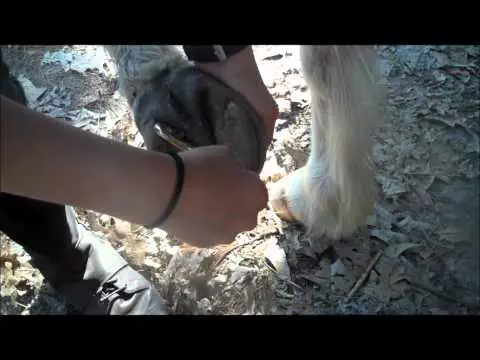
The primary goals in training a barrel horse are to develop speed, enhance agility, improve responsiveness to cues, and ensure the horse can execute the pattern efficiently and safely.
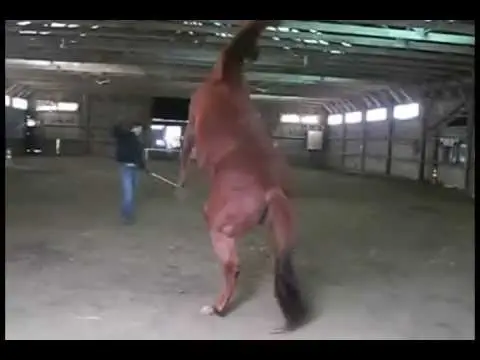
Patience is crucial when training a young horse. Progress at the horse’s pace and avoid rushing the process. Consistent training sessions reinforce learning and build confidence.

The Indian hackamore is known for being gentler than traditional bits. It eliminates the risk of mouth injuries and discomfort caused by harsh bits, making it a humane option for controlling a horse.
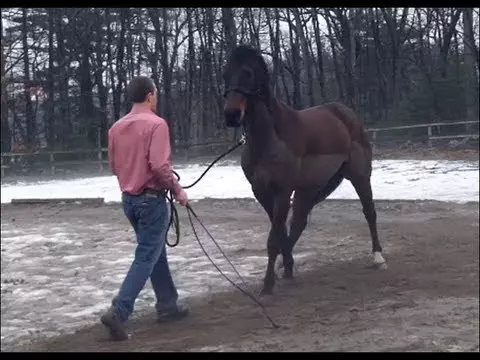
Teaching a horse to back up with energy requires patience and consistency. Progress at the horse’s pace, and avoid rushing the process. Consistent practice will yield the best results.
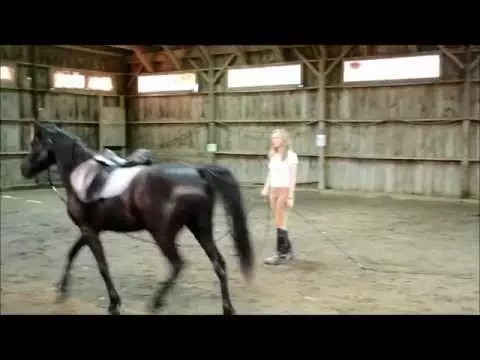
A spooky horse can be a challenging yet rewarding partner. Their heightened sensitivity and reactivity can stem from various factors, including genetics, past experiences, or lack of exposure. While it may seem daunting, with patience, understanding, and consistent training, you can help your spooky horse gain confidence and overcome their fears. Understanding the Spooky Horse…

Ensure your horse’s diet is balanced and free of excessive sugars and starches, which can contribute to hyperactivity and anxiety. A fiber-rich diet and essential nutrients support overall health and calm behavior.

Consider using waterless or dry shampoos as an alternative to traditional bathing. These products clean and freshen the coat without water, making them ideal for winter use.

Your horse will mirror your emotions, so remaining calm and composed is crucial. Approach training sessions with a positive attitude and a calm demeanor to create a peaceful learning environment.
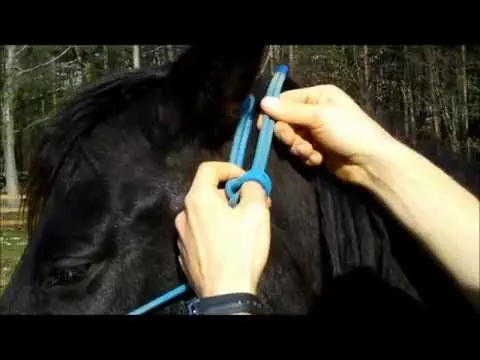
Horses in regular work may need coolers or lightweight blankets after exercise to prevent chills while cooling down. Conversely, horses with lower activity levels may need thicker blankets to stay warm when standing still for long periods.

Every horse is different. Adjust your grooming techniques based on your horse’s preferences and sensitivities. Some horses may prefer softer brushes, while others enjoy a firmer touch.

Originating from the traditions of American cowboys, Western tack is designed for comfort, durability, and functionality, making it suitable for long hours of work on the ranch or at competitive events.
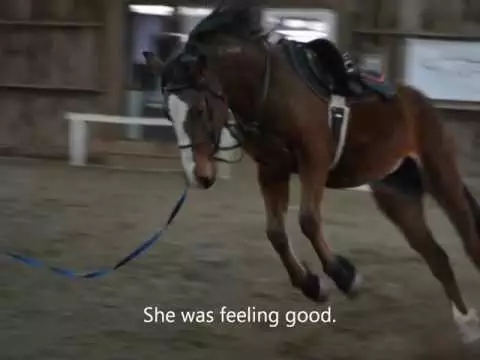
Properly securing the reins is crucial to prevent them from interfering with the horse’s movement or causing harm. Here are the steps to secure the reins effectively:
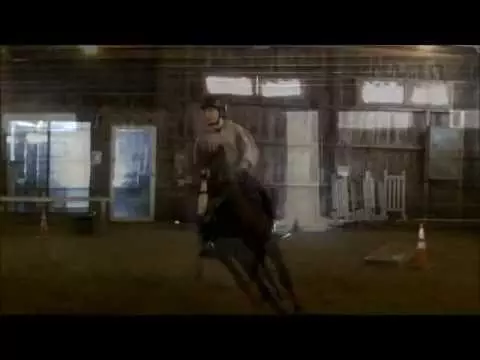
Horse training schools offer a structured curriculum that covers a wide range of topics, from basic riding skills to advanced training techniques. This organized approach helps students progress systematically and ensures a well-rounded education.
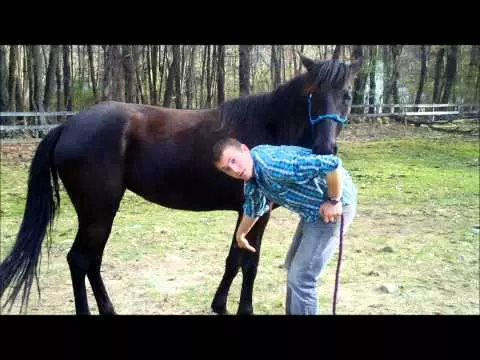
Clean your horse’s hooves daily or at least several times a week to prevent the buildup of dirt and debris and to catch any issues early.

Fly sheets are blankets that are designed to help keep flies from pestering their horses. Horse owners can choose between a close-knit flysheet or one that has a large weave pattern.
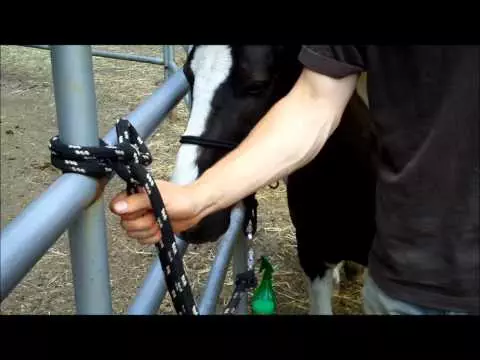
Investing in quality leg wraps and blankets and using them correctly can provide your horse with the best possible care, ensuring their health, comfort, and performance year-round.

A well-fitting blanket is crucial for the horse’s comfort and safety. Measure your horse accurately from the center of the chest to the tail to ensure a proper fit. The blanket should cover the horse’s body without being too tight or loose.
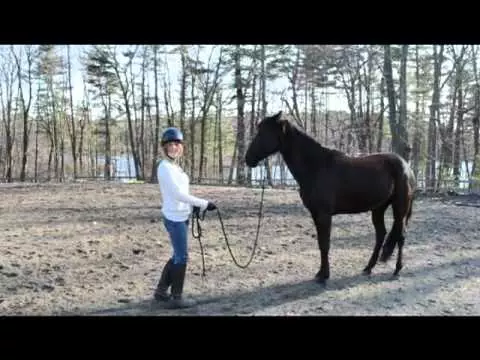
Ponies come in various colors and patterns, from solid coats to pintos and appaloosas. This variety makes each pony unique and visually appealing. Their striking color combinations and markings add to their individuality and allure.
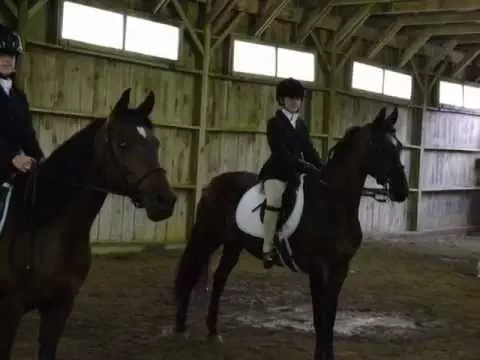
The saddle should sit level on the horse’s back, with equal weight distribution across the front, middle, and back. An unbalanced saddle can cause pressure points and discomfort.

Keep an eye on the weather forecast and adjust care routines as needed. Extreme cold, wind chill, and wet conditions can increase the risk of hypothermia and other health issues. Ensure ponies have appropriate shelter and blanketing based on current and predicted weather conditions.
Regularly inspect the boots for signs of wear and tear. Replace any boots that are damaged or no longer provide adequate protection. Check for any sharp edges or broken parts that could harm the horse.

Discover the different types of fly sheets for horses and find the best one for your horse. Learn about fly protection basics and more

Regular cleaning and maintenance are crucial to prolonging the lifespan of your dressage tack. After each use, wipe down the equipment with a damp cloth to remove sweat and dirt.
End of content
End of content