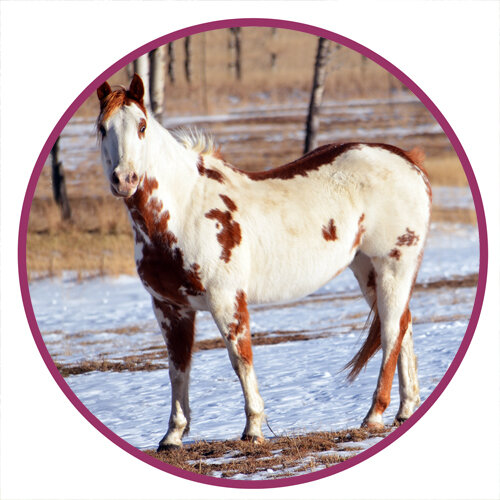

Social Behaviors of Horses: Understanding Herd Dynamics
Horses are some of the most social animals on earth. They depend deeply on their herd for safety, comfort, and guidance.
If you watch a group of horses in the wild or on a farm, you’ll notice their constant interaction—grazing side by side, grooming each other, or quickly responding to sudden noises.
Understanding the social behaviors of horses isn’t just interesting; it’s important for anyone who wants to care for or work with these animals.
Their relationships, communication, and reactions shape their health and happiness.
This blog post explores how horses live together, organize themselves, communicate, and bond, along with insights from science and practical advice for owners.
- Apple Blossom Scent, REPAIR DAMAGED HAIR: rejuvenate weak, thin, or damaged hair or dry scalp. Formulas that have been proven to improve scalp and health.
- Mane ‘n Tail Condition for Thicker, Healthier looking hair. Also can be used as a leave in conditioner for added hydration
- 32oz Bottle sizes for a big value! Keeps hair tangle free and corrects drying caused by the elements
- Pet or Human use approved. We do not test on Animals.
Last update on 2026-10-07 / Affiliate links / Images from Amazon Product Advertising API
Herd Structure: How Horses Live Together
Horses rarely live alone by choice. In nature, they form groups called herds. These herds offer protection and stability.
The typical herd, also known as a harem, includes one dominant stallion, several mares, and their young. There are also bachelor bands—groups of young or older stallions who don’t have their own harem.
Each herd has its own routines and social rules. Horses graze, move, and rest together. This unity is key to their survival.
If a predator approaches, the herd responds as one. A single horse is much more vulnerable than a group.
Main Types Of Horse Groups
- Harem Herds: Usually 1 stallion, 2–10 mares, and their foals.
- Bachelor Bands: Groups of stallions, often young or older males without a harem.
Wild horse populations, such as the Mustangs in North America, exhibit these patterns clearly. Domestic horses also seek companionship, even if their “herd” is just a few horses in a pasture.
Herd Size And Stability
Studies show most wild horse herds have 8–15 members. Too small, and safety drops; too large, and conflicts may increase. Stable, familiar groups reduce stress, while frequent changes can cause anxiety and aggression.
| Herd Type | Typical Size | Key Members |
|---|---|---|
| Harem Herd | 8–15 | Stallion, mares, foals |
| Bachelor Band | 2–8 | Stallions |
| Mixed Herd (Domestic) | 2–20 | Varied ages and sexes |
Hierarchy: The Social Ladder
Inside every herd is a hierarchy—a ranking system that decides who leads and who follows. This hierarchy isn’t just about strength; it’s based on age, experience, and behavior.
The Alpha Mare
Contrary to what many think, the lead mare (alpha mare) usually makes the big decisions, not the stallion. She chooses when and where the herd moves, especially to find food and water.
The stallion’s job is mostly to protect the group from threats and rival stallions.
Older, experienced mares often become the alpha. Their calm, confident behavior earns respect. The rest of the herd watches her closely. If she moves, others follow.
How Ranking Works
Horse hierarchies are often linear—each horse knows its place, from highest to lowest. However, sometimes relationships are more complex, with subgroups and shifting alliances.
- Dominant horses: Control resources, lead movement, start grooming sessions.
- Subordinate horses: Follow, wait, and often show respect with body language.
Rank is established through gentle pushing, biting, and displays, not through violence. Most conflicts are settled quickly.
Effects Of Hierarchy
A stable hierarchy keeps peace. Horses feel safer when they know their role.
If the alpha mare leaves or dies, the group reorganizes, which can cause temporary stress.
| Role | Main Tasks | Common Traits |
|---|---|---|
| Alpha Mare | Leads movement, finds resources | Older, confident, experienced |
| Stallion | Protects herd, breeds mares | Strong, alert, aggressive to outsiders |
| Subordinate Mare | Supports alpha, cares for young | Varied ages, gentle |
| Foals | Learn social skills, play | Curious, playful |
Social Changes And Challenges
When horses are moved between groups, their social order can change. Newcomers must find their place, which often leads to short-term fights or tension. Owners should introduce horses slowly to avoid injuries.
Mutual Grooming (allogrooming): Building Bonds
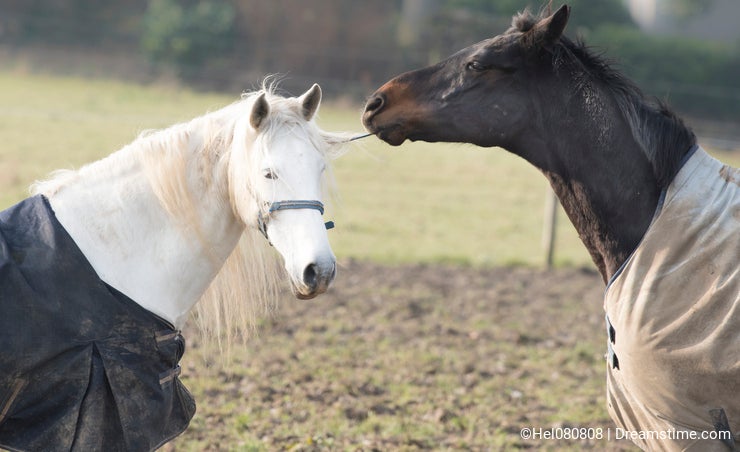
One of the most touching behaviors is mutual grooming (allogrooming). Horses stand side by side and gently nibble each other’s necks, backs, or withers.
This isn’t just about hygiene; it’s a way to build trust and relieve stress.
Why Horses Groom Each Other
- Bonding: Grooming creates strong friendships. Many horses have a “best friend” they groom most often.
- Relaxation: It reduces heart rate and tension.
- Hygiene: Removes loose hair and insects.
Research shows horses groom each other for 2–4 minutes at a time, several times a day. Grooming sessions often happen after grazing or before resting.
Choosing Grooming Partners
Not all horses groom equally. Close pairs, called affiliates, groom most often. These pairs may spend more than 60% of their time together. Horses with no grooming partners can show signs of loneliness or anxiety.
Grooming And Hierarchy
Higher-ranked horses may start grooming, but lower-ranked horses often accept. Refusing a grooming offer can signal conflict or distance.
Practical Tip For Owners
If you notice your horse grooming another, it’s a sign of good mental health. Horses kept alone often miss this behavior, which can lead to stress or bad habits like cribbing.

- These salt blocks are 100% natural and were mined in the Himalayan Mountains
- This rose colored rock salt is renowned for its high mineral content of iron, potassium and magnesium which are vital for equine health
- The high density of these pure Himalayan salt licks resist breakage and biting and last longer in weather elements
- The purest form of salt available and is safe to be left out for horses to access as desired. Rope (included) can be adjusted to the right height for your horse
- Salt blocks help reduce boredom while giving your horse a nourishing electrolyte replenishment

Last update on 2026-10-07 / Affiliate links / Images from Amazon Product Advertising API
Communication: Body Language And Signals
Horses rarely use words, but their body language is rich and complex. Every ear flick, tail swish, or whinny means something. Understanding these signals is key to safe handling and better relationships.
Main Forms Of Communication
- Ear Position: Forward ears show interest; pinned-back ears mean anger or discomfort.
- Tail Movement: A relaxed tail signals calm; a swishing tail can mean irritation or warning.
- Facial Expressions: Wide eyes, flared nostrils, or tight lips can show fear, excitement, or aggression.
- Vocalizations: Horses neigh, whinny, snort, and squeal. Each sound has its own meaning.
| Signal | Meaning | Example |
|---|---|---|
| Ear pinned back | Anger, warning | Horse threatened by another |
| Tail raised | Excitement, alert | The horse sees a new object |
| Whinny | Calling, anxiety | Horse separated from herd |
| Mutual grooming | Bonding, friendship | Two horses nibbling necks |
Reading The Whole Horse
Don’t focus on just one signal. Horses often use several at once.
For example, a horse with forward ears and a relaxed body is happy, but forward ears and tense muscles may mean excitement or stress.
Non-obvious Insight
Beginners often miss the meaning of subtle signals. For example, yawning can indicate relaxation, but it can also signal discomfort or pain.
Context is everything.
Play Behavior: Learning And Social Growth
Play is a key part of horse life, especially for young horses (foals and yearlings). Through play, horses learn social skills, test boundaries, and strengthen their bodies.
Types Of Play
- Chasing: Foals run after each other in circles.
- Biting: Gentle nipping, often seen in mock fights.
- Rearing: Horses stand on their hind legs, sometimes sparring with a friend.
- Rolling: Horses roll in dirt or grass, often after play.
Play is most common in foals aged 3–12 months. Adult horses play less, but sometimes join in chasing or mock fighting.
Benefits Of Play
- Skill Development: Helps foals learn herd rules and communication.
- Physical Growth: Builds muscle and coordination.
- Bonding: Play strengthens friendships and reduces tension.
Play And Hierarchy
Play sometimes tests rank. Foals may challenge older horses during play, but usually back down if corrected.
Common Mistake
Some owners punish play, mistaking it for aggression.
In most cases, play is healthy and should be allowed, as long as it’s not dangerous.
Collective Behaviors: Moving, Grazing, And Flight Response
Horses act as a group, especially when grazing or facing danger. Their collective behaviors help them survive and thrive.
Grazing Together
Horses prefer to eat as a group. It’s safer and helps keep social bonds strong. If one horse starts to move, others often follow. Grazing patterns depend on the lead mare, who chooses safe spots.
Resting And Sleeping
Horses rarely sleep deeply unless another herd member is watching for danger. This rotation allows some to rest while others stay alert.
Flight Response
When a threat appears—like a sudden noise or movement—the herd reacts instantly. The lead mare often triggers the flight response by running first.
The rest follow, sometimes at full speed.
- The flight response is a basic survival instinct.
- Horses can reach speeds of up to 30 mph during an escape.
Separation Anxiety
If a horse is separated from its group, it can show intense stress: pacing, calling, sweating, or refusing food. This anxiety highlights the importance of companionship.
Practical Insight
Some owners underestimate the power of separation anxiety. It’s not just emotional; it can cause real health issues, like colic or ulcers.
Close Bonds: Friendship And Affiliation
Horses form strong bonds with certain herd members. These relationships go beyond casual contact.
Best Friends
Most horses have a “best friend” in their group. They spend extra time together, groom each other, and often stand close. If one is removed, the other may show signs of distress.
Affiliation
Affiliated pairs or small groups can be seen in both wild and domestic settings. They support each other, share space, and help reduce conflicts.
- 60–70% of horses have a clear best friend.
- Horses with strong bonds are more relaxed and easier to train.
Bonding Patterns
Bonding is not just about age or sex. Some mares bond with foals, stallions, or other mares. These patterns can change over time, especially as the herd changes.
Owners And Horse Bonds
Horses can bond with humans, too. Regular grooming, gentle handling, and consistent routines help build trust.
Social Behaviors And Horse Welfare
Understanding horse social behaviors is vital for their welfare. Poor management can lead to problems like aggression, anxiety, and bad habits.
Group Housing Vs. Isolation
Studies show horses kept in groups have:
- Lower stress levels
- Fewer health problems
- Better behavior
Horses kept alone often develop stereotypic behaviors (cribbing, weaving, stall walking).
Introducing New Horses
When adding new horses, gradual introduction is best. Sudden changes can cause fights and injuries. Use fenced areas to let newcomers observe before full contact.
Handling And Training
Respect the hierarchy. If you try to control a dominant horse without understanding its role, you may face resistance. Gentle, consistent handling works best.
Common Welfare Mistake
Many owners focus only on food and shelter, forgetting social needs. Loneliness can cause as much harm as poor nutrition.

- FAST-ABSORBING MOISTURIZER: A great addition to your horse supplies, it quickly penetrates to deliver essential nutrients, avocado oil, glycerine, and mineral oils for maximum hydration, softness, and flexibility of hooves
- ENHANCED HOOVES WITH AVOCADO OIL: This horse care oil for hooves penetrates deep to stimulate collagen production at the coronary band, promoting stronger, healthier hooves while improving overall hoof structure
- GLYCERINE & MINERAL OIL TREATMENT TO LOCK IN MOISTURE: Attracts and retains moisture in hooves, helping to prevent dryness, brittle cracks, and splits while enhancing hoof color, sheen, and texture
- ALL-SEASON HOOF PROTECTION: Conditions and protects hooves year-round, making it an essential among your horse stuff to use in dry summers, cold winters, or challenging training environments
- DAILY MAINTENANCE MADE EASY – Simple application fits any horse care schedule and horse grooming kit; this hoof conditioner for horses helps prevent future cracks and dryness with regular use

Last update on 2026-10-07 / Affiliate links / Images from Amazon Product Advertising API
How To Support Healthy Social Behaviors
If you own or manage horses, supporting their social needs is critical.
Here are practical ways to help:
- Provide Companionship: Keep horses in pairs or groups whenever possible.
- Respect Herd Dynamics: Don’t change groups often; keep stable pairs.
- Allow Grooming and Play: Give horses space to interact naturally.
- Monitor for Anxiety: Watch for signs of stress, especially after separation.
- Introduce New Horses Slowly: Use fences and gradual steps.
- Learn to Read Body Language: Training in horse signals reduces accidents.
Example: Safe Introduction Process
- Place the new horse in the neighboring paddock for 3–7 days.
- Allow sniffing and visual contact.
- Gradually allow supervised interaction.
- Watch for signs of aggression (ears back, biting).
Scientific Insights: What Research Reveals
Modern studies confirm what horse owners have seen for centuries. Social behaviors affect everything from health to training.
Stress And Group Living
A study from the University of Veterinary Medicine Vienna found that horses kept in stable groups had 30% lower cortisol levels (a stress hormone) than those kept alone.
Allogrooming And Health
Research published in Applied Animal Behavior Science found that horses who groomed more had fewer parasite infections and better coat condition.
Flight Responses And Safety
Wild horse herds respond to predators within 2–3 seconds. Domestic horses still show this instinct, sometimes reacting to harmless objects.
Data Table: Effects Of Social Environment
| Living Condition | Stress Level | Common Behaviors |
|---|---|---|
| Group Housing | Low | Grooming, play, relaxed grazing |
| Isolation | High | Pacing, calling, stereotypies |
| Frequent Group Changes | Medium-High | Fighting, anxiety, disrupted sleep |
Useful External Resource
For more scientific detail, see Wikipedia: Horse Behavior.
Credit: www.dreamstime.com
Common Misunderstandings
Many people new to horses make mistakes because they don’t understand social behavior.
1. Thinking Stallion Leads Everything
In reality, the lead mare guides the herd. Stallions mainly protect and breed.
2. Ignoring Separation Anxiety
Even short separations can cause distress. Horses should not be left alone for long periods.
3. Punishing Play
Play is natural and healthy. Only stop playing if it’s truly dangerous.
4. Not Reading Body Language
Missing subtle signs can lead to accidents. Learn to read ears, tails, and eyes.
5. Believing All Horses Get Along
Each horse has unique preferences. Some pairs bond deeply; others may never connect.

- REPLACES VITAL ELECTROLYTES FOR HORSES: Replenishes sodium, potassium, calcium, and magnesium lost through sweat from exercise, hot or cold weather, stress, or illness, supporting hydration and overall horse health
- PROMOTES HYDRATION: This electrolyte supplement encourages horses to drink water regularly, helping prevent dehydration and maintain proper fluid balance for digestion, muscle function, and performance recovery
- BALANCED ELECTROLYTE FORMULA: Sugar-free apple-flavored electrolyte powder delivers a complete electrolyte profile suitable for horses of all ages and workloads, including performance, trail, and show horses
- EASY DAILY USE: Mix this sugar free electrolyte powder with your horse’s grain ration or feed directly; can be given proactively before exercise, travel, or stressful situations to prevent electrolyte depletion
- IDEAL FOR ALL HORSES: This zero sugar electrolyte powder supports hydration and electrolyte balance in performance horses, endurance horses, horses in hot or cold weather, horses in training, trail riding, or stressful conditions
Last update on 2026-10-07 / Affiliate links / Images from Amazon Product Advertising API
Frequently Asked Questions
What Happens If A Horse Is Kept Alone?
Horses kept alone often develop stress and abnormal behaviors. They may pace, call out, or show signs of depression. Companionship is essential for their mental health.
How Do Horses Communicate With Each Other?
Horses use body language—ears, tail, and facial expressions—along with vocal sounds. They signal everything from friendship to warning with these cues.
Who Leads The Herd: Mare Or Stallion?
The alpha mare usually leads movement and decisions, while the stallion protects and breeds. The mare’s leadership is based on experience, not just strength.
Can Horses Form Friendships With Humans?
Yes, horses can bond deeply with humans, especially those who handle them gently and consistently. These bonds are built through regular contact, grooming, and positive experiences.
How Can Owners Support Healthy Social Behavior?
Owners should provide companionship, respect herd structure, allow natural interaction, and introduce new horses slowly. Understanding horse signals and needs is key to welfare.
Horses are complex, social creatures whose lives revolve around their herd. Their behaviors—from grooming and play to hierarchy and collective flight—are shaped by instincts and experience.
Owners and handlers who understand these social patterns can provide better care and build stronger relationships.
By respecting their need for companionship, structure, and communication, we help horses live healthier, happier lives.
Whether in the wild or in a stable, the social world of horses is full of lessons for anyone willing to watch and learn.


7 Comments