Dutch Warmblood: A Comprehensive Overview
The Dutch Warmblood (KWPN – Koninklijk Warmbloed Paardenstamboek Nederland) is a highly regarded sport horse breed known for its exceptional athleticism, versatility, and calm temperament.
Originating from the Netherlands, Dutch Warmbloods have significantly impacted disciplines such as dressage, show jumping, and eventing.
This guide provides an in-depth look at the Dutch Warmblood, including its history, characteristics, uses, and care.

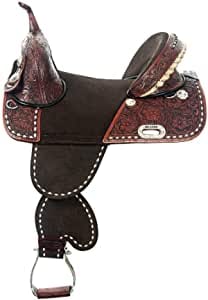
- PREMIUM MATERIAL: American full grain cowhide leather saddle.
- 4-WAY FLEXIBILITY: Treeless design flexes with your horse’s back muscles, eliminating rigid tree restrictions and promoting natural gaits while reducing pressure points and soreness during trail riding and everyday use
- CUSTOMER CARE: Returns accepted per our published policy.
- LIGHTWEIGHT AND COMFORTABLE: Weighs only 26 lbs (approx.) – significantly lighter than conventional western saddles – features black roughout leather seat with 4.5 inch cantle and 25 inch skirt length
Last update on 2026-10-07 / Affiliate links / Images from Amazon Product Advertising API
History of the Dutch Warmblood
- Origins:
- The Dutch Warmblood breed was developed in the Netherlands in the mid-20th century by selectively breeding native Dutch horses with other European breeds, such as the Hanoverian, Holsteiner, and Trakehner.
- The goal was to create a versatile sports horse with the athletic ability for top-level competition and the temperament for amateur riders.
- Breed Development:
- The Dutch Warmblood breed was officially established in 1969 with the formation of the KWPN (Royal Dutch Warmblood Studbook of the Netherlands).
- Breeders focused on producing horses with excellent conformation, movement, and jumping ability. The breeding program is highly selective, with rigorous inspections and performance testing.
- Global Impact:
- Dutch Warmbloods have become one of the most successful and sought-after sport horse breeds worldwide, excelling in international dressage, show jumping, and eventing competitions.
Characteristics of the Dutch Warmblood
- Physical Attributes:
- Size: Dutch Warmbloods typically stand between 15.2 and 17 hands high (62 to 68 inches) at the withers, most averaging around 16 to 16.2 hands.
- Weight: They usually weigh between 1,200 and 1,400 pounds.
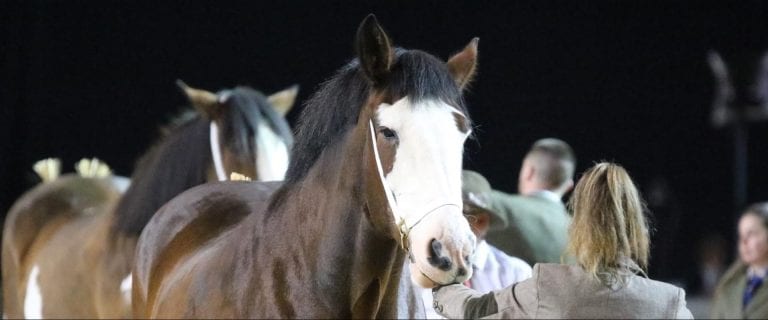
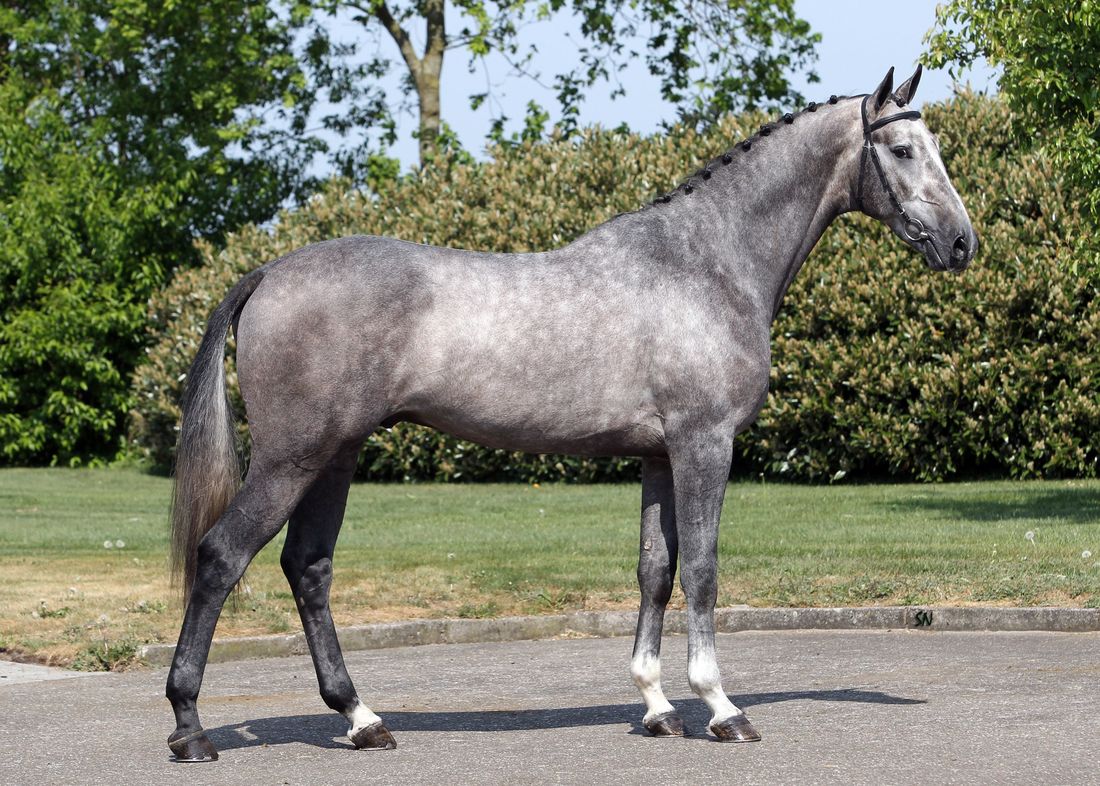
- Build: Dutch Warmbloods have a well-proportioned, athletic build with a strong, straight back, well-defined withers, and a deep, broad chest.
- Head: Their heads are refined with a straight or slightly convex profile, large expressive eyes, and alert ears.
- Neck: The neck is long and arched, blending smoothly into the shoulders.
- Coat Colors:
- Dutch Warmbloods come in various coat colors, including bay, black, chestnut, gray, and occasionally, roan and palomino. Solid colors are preferred, but minimal white markings are acceptable.
- Temperament:
- Dutch Warmbloods are known for their calm and cooperative temperament. They are intelligent, willing to work, and easy to train, making them suitable for professional and amateur riders.
- Movement:
- The breed is renowned for its elegant and powerful movement, characterized by a long, ground-covering stride, natural balance, and expressive gaits. These qualities make Dutch Warmbloods exceptional in dressage and other performance disciplines.
Uses of the Dutch Warmblood
- Dressage:
- Dutch Warmbloods are highly prized in dressage for their expressive gaits, trainability, and ability to perform complex movements precisely and gracefully. They consistently rank among the top dressage horses in international competitions.
- Show Jumping:
- The breed’s athleticism, agility, and powerful jump make Dutch Warmbloods excellent show jumpers. They are known for their careful technique, scope, and ability to navigate challenging courses.
- Eventing:
- Dutch Warmbloods excel in eventing due to their versatility and stamina. They perform well in all three phases: dressage, cross-country, and show jumping.
- Pleasure Riding and Other Disciplines:
- Their calm temperament and versatility make Dutch Warmbloods suitable for pleasure riding, hunter classes, and other equestrian disciplines.

- Set Includes Single Ear Headstall, Breast Collar, Wither Strap, and Reins
- Black Fringe
- Beaded Inlays
Last update on 2026-10-07 / Affiliate links / Images from Amazon Product Advertising API
Care and Maintenance
- Diet and Nutrition:
- Dutch Warmbloods require a balanced diet that includes high-quality forage (hay or pasture), fresh water, and a mix of grains or concentrates tailored to their activity level and nutritional needs.
- Regularly monitor their weight and adjust their diet to maintain optimal body condition.
- Exercise and Training:
- Regular exercise is essential to keep Dutch Warmbloods physically fit and mentally stimulated. This can include a combination of riding, lunging, and turnout.
- Consistent training and mental engagement are crucial for their development and performance.
- Grooming:
- Regular grooming helps maintain the health and appearance of a Dutch Warmblood’s coat, mane, and tail. Daily brushing and hoof care are important.
- Regular baths, especially before competitions, help keep their coat clean and shiny.
- Health Care:
- Schedule regular veterinary check-ups, vaccinations, and deworming to ensure the health of your Dutch Warmblood.
- Monitor for common health issues such as colic, lameness, and respiratory problems, and address any concerns promptly with your veterinarian.
- Hoof Care:
- Regular visits from a farrier are essential to maintain proper hoof health and balance. Dutch Warmbloods often require shoeing to support their performance and prevent hoof issues.

- SUPPORTS OVERALL HEALTH: This daily multivitamin delivers optimal levels of vitamins & minerals to fill gaps in the diet
- ANTIOXIDANT SUPPORT: These horse supplements contain vitamin E & selenium to help support cell activity and protect cell membranes from free radicals
- SUPPORTS PERFORMANCE DEMANDS: Mineral supplements help maintain normal muscle function
- SUPPORTS HARD-WORKING MUSCLES: Vitamin E for horses helps support muscle tissue and protein breakdown during exercise

Last update on 2026-10-07 / Affiliate links / Images from Amazon Product Advertising API
Health concerns
Dutch Warmbloods are a highly sought-after breed from the Netherlands that was developed for top-level dressage and show horses.
Their bloodlines come from only the top stallions and have been selectively bred for health purposes.
The primary nutritional focus for young warmblood horses should be to promote steady growth and minimize the risk of developmental orthopedic diseases like osteochondritis dissecans (OCD).
OCD is a cartilage-growth condition when horses do not form normal cartilage at joints such as legs, hips, hocks, or fetlocks.
OCD causes a plug of cartilage that has not fully calcified, leading to issues with joint movement. Horses may show signs of lameness that are painful or frustrating to address.
Fortunately, most cases of OCD resolve independently as the cartilage grows and develops.
Nonetheless, the disease remains a serious concern for Warmblood owners and their veterinarians.
Another potential threat is equine protozoal myelitis (EPSM), a rare but severe disease affecting the spinal cord and nervous system.
Typically seen in draft horses, EPSM may also affect some Warmbloods.
Dutch Warmblood owners should seek the advice of an experienced equine nutritionist with expertise in breed-specific feeding programs.
A balanced diet that meets all your horses’ nutritional requirements will enable them to thrive and lead long, content lives.
Conclusion
The Dutch Warmblood is a versatile and highly talented sport horse breed known for its athleticism, elegance, and excellent temperament.
Whether used for dressage, show jumping, eventing, or pleasure riding, Dutch Warmbloods excel in various disciplines and provide their riders with a reliable and enjoyable partnership.
Understanding the breed’s history, characteristics, and care requirements ensures that your Dutch Warmblood remains healthy, happy, and ready to perform at its best.
Their adaptability, willingness to work, and impressive abilities make Dutch Warmbloods a top choice for equestrians worldwide.