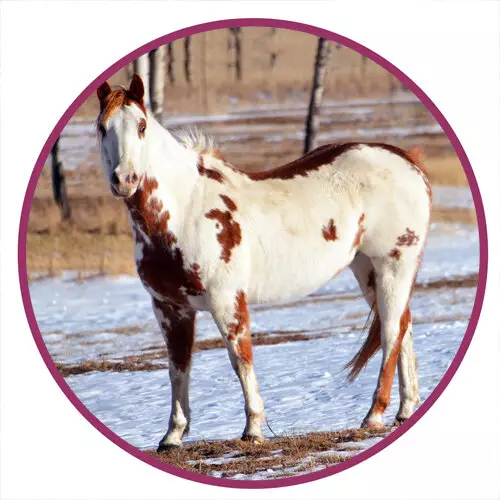
Amazing Facts About Horses: Discover Their Wonders
Horses come in many different breeds, each with its own unique characteristics. They have a great memory and can remember people and places for years.

Horses come in many different breeds, each with its own unique characteristics. They have a great memory and can remember people and places for years.

By understanding the anatomy of horse vision, their field of view, color perception, night vision, and sensitivity to motion, horse owners and handlers can create safer and more effective management and training practices.
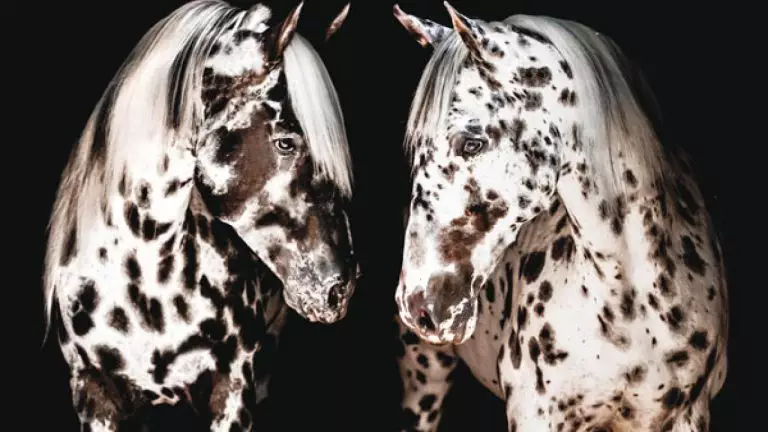
Appaloosa horses are bred for hardiness and strength, making them ideal for western riding. Not only that, but they’re also highly experienced in working with livestock as well as eventing, show jumping, and fox hunting.
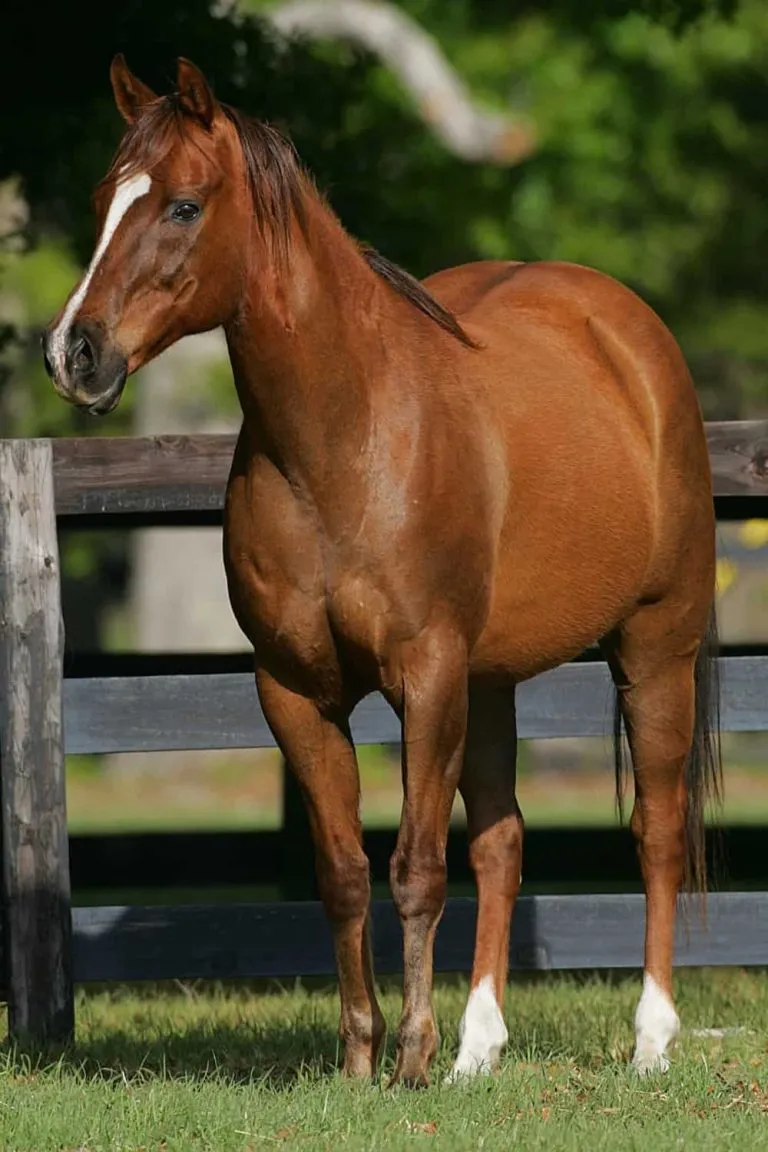
The American Quarter Horse is one of the oldest and most popular horse breeds in the United States. It is used in a wide range of competitive events, including halter classes, western-style riding events such as Western Pleasure and Reining, English riding events in the hunt seat style, and horsemanship and equitation.
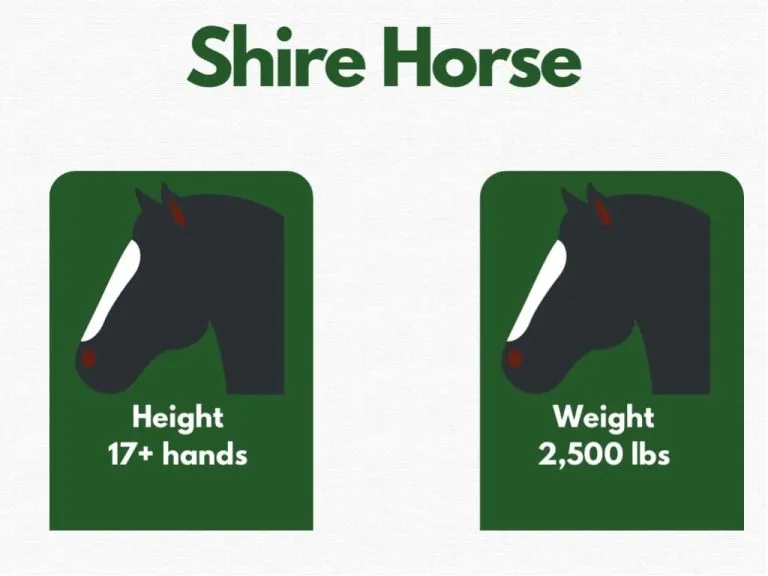
Like other draft horses, the Shire is prone to weight issues. If your shire is overweight, monitoring their weight and reducing their daily feed intake is essential. If you notice a reduction in your appetite, consult with your veterinarian.

Shetland ponies are beloved pets, known for their small stature and friendly disposition. While they make ideal pets, Shetland pony ownership requires a great deal of commitment and devotion – especially since these ponies tend to be the first horse many children learn how to ride!
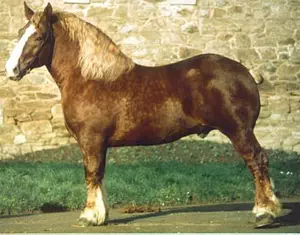
Breton horses should be regularly brushed with either a curry comb or dandy brush to remove dirt from their coat, and with a soft brush for sensitive areas like the head, tail, and mane. Additionally, you should brush your horse’s hooves several times daily in order to prevent hoof infections from developing.

Every horse is different. Adjust your grooming techniques based on your horse’s preferences and sensitivities. Some horses may prefer softer brushes, while others enjoy a firmer touch.
End of content
End of content