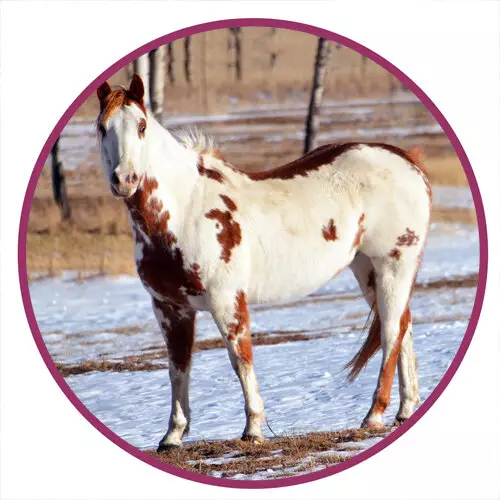
What Are the Benefits of Being a Responsible Horse Owner?
Learn the essential qualities of a responsible horse owner. Discover how to properly care for and manage your horse with our comprehensive guide.
Learn the essential qualities of a responsible horse owner. Discover how to properly care for and manage your horse with our comprehensive guide.
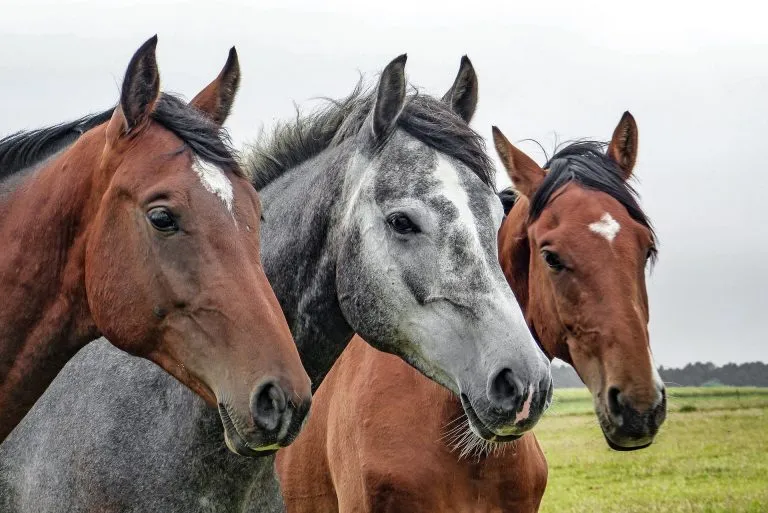
Discover fascinating facts about horses with our fun guide. Learn something new and exciting about these majestic animals.
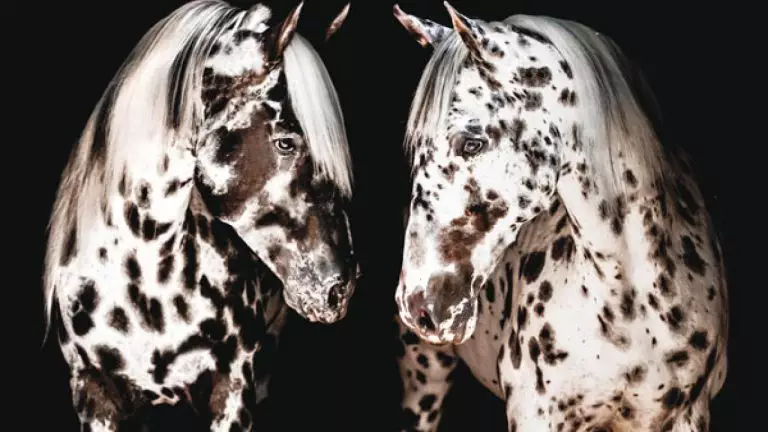
Appaloosa horses are bred for hardiness and strength, making them ideal for western riding. Not only that, but they’re also highly experienced in working with livestock as well as eventing, show jumping, and fox hunting.

Fruits are integral to any horse’s diet, providing essential vitamins, minerals, and antioxidants not found in hay or other equine feed. Not only do they hydrate your horse’s system to prevent bloating, but they can also improve his blood sugar and insulin response. Fruits will keep them happy!
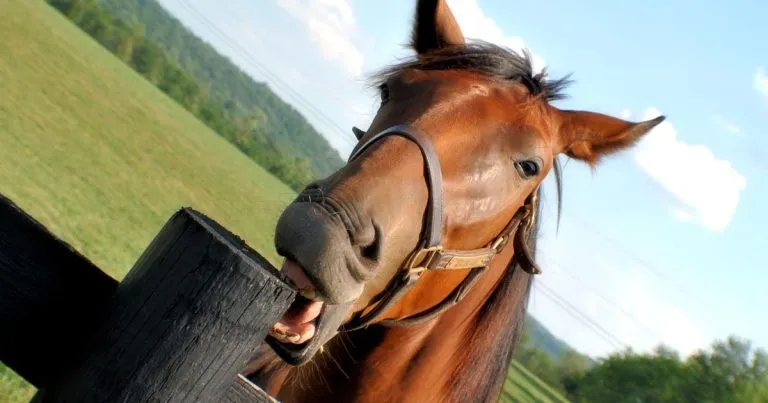
When a horse bites, it usually indicates that something is causing them pain. This could be an actual physical injury or an emotional issue. Consult a veterinarian to identify the source of the biting and how best to address it.

The Tennessee Walking Horse is a gaited horse breed with an expressive, smooth four-beat running walk. Its docile temperament and comfortable gait make it popular for trail riding, pleasure riding, and competition.
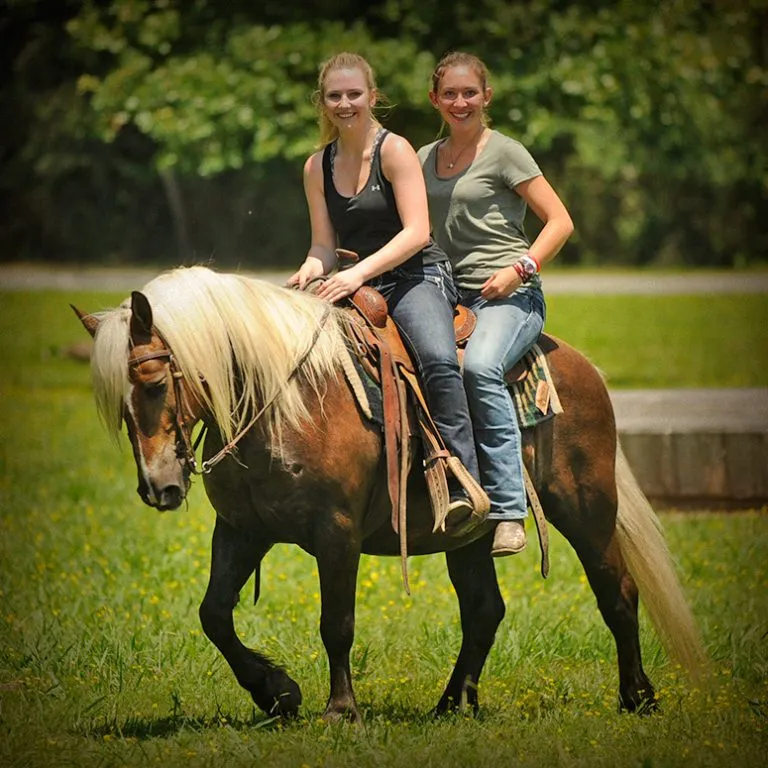
The Haflinger is easily identified by their distinctive chestnut hair and light-colored long mane, which sets them apart from other horses. They come in an array of shades from light gold to liver brown.

The Lusitano Horse is one of the most beloved horse breeds in Portugal. It stands out with its light-colored coat and enthusiastic attitude toward training and work. However, like other horse breeds, the Lusitano can suffer from health issues or genetic disorders like other horses do.
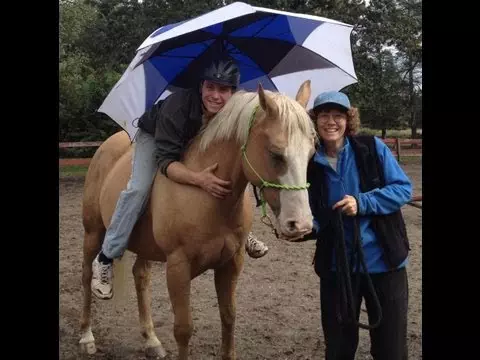
Another technique to use for desensitizing your horse is counter-conditioning. This technique helps your horse avoid unpleasant stimuli by providing distractions.

Patience is crucial when training a young horse. Progress at the horse’s pace and avoid rushing the process. Consistent training sessions reinforce learning and build confidence.
End of content
End of content