Unveiling EHV-1: Critical Insights into Equine Herpesvirus Symptoms and Care
Key Takeaways
- EHV-1 typically begins with a fever that may spike twice over a 24- to 48-hour period, so take temperatures daily with a digital thermometer and note any readings over 38.3°C. Early fever is the tell-tale sign ahead of other symptoms.
- Respiratory signs, such as nasal discharge, cough, and lethargy, are common, especially in younger horses. Minimize stress and quarantine infected horses to restrict transmission.
- Neurological symptoms can include hind limb weakness, incoordination, loss of tail tone, and urinary retention. Call a vet as soon as possible if movement shifts or stance becomes unsteady.
- Pregnant mares can have late-term abortion or weak foals delivered, sometimes without prior respiratory signs. Exercise stringent biosecurity when pregnant and isolate mares from foals or traveling horses.
- Some horses exhibit mild or no symptoms yet still shed the virus, making it even more dangerous. Quarantine new arrivals for at least 14 days and use dedicated equipment.
- Supportive care and prompt veterinary evaluation are key. This may include anti-inflammatories, fluids, and controlled exercise. Vaccination can mitigate respiratory disease and abortion risk, but it does not entirely prevent neurological disease. Layered prevention is critical.

- SUPPORTS RESPIRATORY HEALTH: Ideal for horses requiring nebulizer care. Nebulizing with colloidal silver is a natural and effective way to support your horse’s respiratory health. Colloidal silver is known for its soothing properties, making it an excellent choice for horses dealing with respiratory discomfort, congestion, and environmental irritants.
- HIGH-QUALITY COLLOIDAL SILVER: Formulated with a proprietary blend of colloidal silver and distilled water, this solution is pure, effective, and safe for nebulization. The ultra-fine silver particles are suspended in distilled water, ensuring optimal absorption for fast-acting relief and long-lasting respiratory support.
- READY TO USE: No dilution required; use directly with your horse’s nebulizer. Simply consult your nebulizer dosage chart for proper application. Safe for animal use, not intended for human use. 16oz bottle. MADE IN THE USA

Last update on 2025-11-21 / Affiliate links / Images from Amazon Product Advertising API
The symptoms of EHV-1 in horses are fever of 38.6°C or higher, nasal discharge, cough, limb edema, anorexia, and lethargy.
Some horses display ataxia, hindlimb weakness, urine dribbling, or inability to stand when the neurologic form arises.
Mares may abort late, and foals can have severe pneumonia.
Early signs frequently begin 24 to 72 hours after exposure.
To create treatment plans, vets check PCR results from nasal swabs or blood samples. The following sections decompose timelines and triage.
The symptoms of EHV-1 (Equine Herpesvirus Type 1) in horses can be pretty severe and vary depending on the virus strain. One of the first signs to watch for is a fever, which is typically 38.6°C (101.5°F) or higher.
Along with fever, you might notice nasal discharge, a persistent cough, and swelling in the limbs known as limb edema.
Anorexia (loss of appetite) and lethargy (the horse appearing unusually tired or weak) are also common indicators of this infection.
When the neurologic form of EHV-1 emerges, symptoms can become more severe. Horses may exhibit ataxia, which is a lack of coordination, hindlimb weakness that can lead to difficulty moving, and even urine dribbling or an inability to stand.
This neurologic manifestation can escalate quickly and requires immediate veterinary attention.
Additionally, pregnant mares infected with EHV-1 may abort late in their pregnancy, putting foals at risk.
Foals that become infected can develop severe pneumonia, which is a serious and potentially life-threatening condition.
It’s important to note that the early signs of EHV-1 often start to appear 24 to 72 hours after the horse has been exposed to the virus.
Because EHV-1 can spread rapidly through a group of horses, recognizing these symptoms early is crucial for effective treatment.
Veterinarians typically confirm the diagnosis by conducting PCR tests on nasal swabs or blood samples, allowing them to identify the virus and determine the best course of action.
Understanding the timeline of symptoms and the urgency of treatment can help manage outbreaks and keep horses safe from this dangerous virus.
The symptoms of EHV-1 (Equine Herpesvirus Type 1) in horses can be pretty severe and vary depending on the virus strain. One of the first signs to watch for is a fever, which is typically 38.6°C (101.5°F) or higher.
- GeneName: US4; GpX
- SynName: Recombinant Glycoprotein gp2 (US4); Glycoprotein gp2; Glycoprotein X; GpX
- Source: E Coli or Yeast
- Purity: >90%; *Tag Information: His tagged
- Species: Equine herpesvirus 1 (strain Kentucky A) (EHV-1) (Equine abortion virus)
Last update on 2025-11-21 / Affiliate links / Images from Amazon Product Advertising API
This elevated temperature indicates that the horse’s body is fighting off an infection. Along with fever, you might notice nasal discharge, which can range from clear to thick and cloudy, a persistent cough, and swelling in the limbs known as limb edema.
This swelling can make it uncomfortable for the horse to move, and it might appear stiff or reluctant to walk.
Anorexia, or loss of appetite, is another standard indicator of EHV-1, and it’s essential to monitor your horse’s eating habits closely. Lethargy, where the horse appears unusually tired or weak, can also be concerning.
When the neurologic form of EHV-1 emerges, symptoms can become much more severe and alarming. Horses may exhibit ataxia, which is a lack of coordination that can cause them to stumble or fall.
Hindlimb weakness may lead to difficulty moving or standing, and some horses might experience urine dribbling or even an inability to stand at all.
This neurologic manifestation can escalate quickly and requires immediate veterinary attention to prevent further complications or even death.
Additionally, pregnant mares infected with EHV-1 are at risk of aborting late in their pregnancy, which can be devastating for both the mare and the foal.
Foals that become infected can develop severe pneumonia, a serious condition that can make breathing difficult and requires prompt medical intervention.
It’s important to note that the early signs of EHV-1 often appear 24 to 72 hours after exposure, making quick action vital.
Because EHV-1 can spread rapidly through a group of horses, recognizing these symptoms early is crucial for effective treatment and controlling outbreaks.
Veterinarians typically confirm the diagnosis by conducting PCR tests on nasal swabs or blood samples, allowing them to identify the virus and determine the best course of action.
Understanding the timeline of symptoms and the urgency of treatment can help manage outbreaks and keep horses safe from this dangerous virus.
By staying vigilant and informed, horse owners can better protect their animals from the potentially severe consequences of EHV-1.

- Veterinarian-Formulated Respiratory Support – Designed to help relieve coughing, nasal congestion, and seasonal breathing issues in horses.
- Natural Herbal Blend – Made with soothing ingredients known to promote clear airways and healthy lung function without synthetic additives.
- Eases Coughing & Mucus Buildup – Helps horses breathe more easily, especially during dusty, cold, or allergy-prone seasons.
- Ideal for Performance & Pasture Horses – Supports respiratory efficiency in high-activity horses and those exposed to environmental irritants.
- Safe for Long-Term Use – Gentle, non-drowsy formula that can be used daily for preventative care or targeted support.
Last update on 2025-11-21 / Affiliate links / Images from Amazon Product Advertising API
Our Conclusion
To identify EHV-1 quickly, look for distinct symptoms. Fever greater than 38.6 degrees Celsius. Cough. Nasal drip. Decreased energy.
No appetite. Stiff steps.
Weakness in the hind end. Ataxia is a wobble in gait. Tail drop. Difficulty urinating.
Late-term loss in mares. Rapid decline in foals. These symptoms can change rapidly, so timing is essential.
To cut spread, plan clean. Do temperature checks two times a day. Keep sick horses separated by a minimum of 10 meters. Switch out or scrub with a bleach mix. Wash your hands. Limit barn traffic.
To be safe, bring your vet into the loop at that initial temp spike.
Take notes on temps, symptoms, and dates.
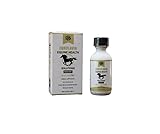
- Equine Hemp Solutions, Equine Hempflavin, Natural and fast-acting oral supplement, Promotes mobility, functionality and general wellness of horses, Does not contain THC or Cannabinoids, Does not contain banned or prohibited substances, Analysis of product can be located on the Equine Hemp Solutions Certificate of Analysis Page, Ingredients are MCT Oil (Tree Nut), Hemp Flavonoid Extract, Peppermint Extract, Multi-Dose contains 20 servings, HEMPFLAVIN MULTI-DOSE
Last update on 2025-11-21 / Affiliate links / Images from Amazon Product Advertising API
Frequently Asked Questions
What are the common symptoms of EHV-1 in horses?
Fever, nasal discharge, cough, lethargy, loss of appetite, and swollen lymph nodes are common clinical signs of equine herpesvirus infection. Particular horses may also exhibit hind leg weakness or incoordination if affected by equine herpesvirus myeloencephalopathy. Contact your veterinarian if you observe these symptoms.
How fast do EHV-1 symptoms appear after exposure?
Signs of equine herpesvirus infection generally develop 2 to 10 days following exposure. Fever is often the initial clinical sign. If neurological signs occur, they may follow respiratory signs by a couple of days. During outbreaks, monitor temperature twice a day and quarantine any sick horse with a fever.
What is the difference between respiratory and neurological EHV-1 signs?
Respiratory signs of equine herpesvirus infection include fever, nasal discharge, cough, and lethargy. In contrast, neurological signs, such as hind limb weakness and ataxia, indicate a more serious condition requiring immediate veterinary attention and strict isolation.
Can a horse have EHV-1 without obvious symptoms?
Yes. Particular horses harbor equine herpesvirus (EHV-1) latently and can shed the virus without obvious indications, while others may only exhibit slight fever. Regular temperature monitoring and biosecurity at events help catch equine herpesvirus infections early and contain outbreaks.
How is EHV-1 diagnosed if symptoms look like other diseases?
Veterinarians report testing nasal swabs and blood using PCR assays for equine herpesvirus infections. They might conduct complete blood counts and monitor body temperature trends to inform isolation, care, and yard management.
When should I call a vet for suspected EHV-1 symptoms?
Call right away if your horse shows clinical signs, such as an unexplained fever or respiratory disease, as early isolation and veterinary advice can help protect other horses from equine herpesvirus infection and improve recovery.
Do vaccinated horses still show EHV-1 symptoms?
Yes, but typically lighter. Vaccines help reduce respiratory illness and equine herpesvirus shedding. They do not reliably prevent the neurological form of equine herpesvirus myeloencephalopathy. Maintain vaccinations and implement strict biosecurity to minimize risk.